Showing posts with label Baha'i Faith. Show all posts

Monday, December 12, 2011

Egypt: A Baha'i Blogger's Take on the Elections

Wael speaks to Global Voices Online about the current situation of the Baha'is in Egypt and the changes that the current elections might bring.


Global Voices Online has spoken to Wael, who blogs at Living in Egypt without ID, about the current situation of the Baha’is in Egypt and the changes that the current elections (stage two of which starts on December 14) might bring.


Global Voices (GV): What is the current situation for the Baha’is in Egypt? What are the main problems the community faces?


Wael: As you know, identification documents, especially identity cards and birth certificates, are mandatory for all Egyptians and necessary to obtain access to education, employment, family life, registration and immunization of children, as well as most basic daily activities such as opening a bank account, obtaining a driver’s license, receiving pension or inheritance, or engaging in business transactions.


Most of the Egyptian Baha’is do not have official IDs to allow them to attain any of the above. In addition, they have been barred from holding government jobs, and that situation has not changed as yet. Baha’i marriages are still not recognized in Egypt, and that results in difficulties in obtaining birth certificates for Baha’i children.


While the Supreme Administrative Court ruled that Baha’is should be able to obtain official Egyptian identification cards, the implementation of this ruling has moved very slowly. A few Baha’is were successful in obtaining their IDs with a dash “—“ in the space designated for religion instead of adding the word Baha’i. However, the majority of Baha’is, including myself, have not been successful in obtaining official IDs. The major issue is providing required evidence that their parents were listed as Baha’is or have dashes in the space designated for religion in their IDs, same thing for their birth certificates. On the other hand, married couples can’t obtain official IDs since the Egyptian government does not recognize Baha’i marriage. Therefore so many Baha’is find themselves in a Catch-22 situation. Married or divorced Baha’is are unable to obtain their IDs. The Baha’is in Egypt are determined to obtain their citizenship rights and overcome the bureaucratic hurdles in implementing the Supreme Administrative Court’s decision.


Baha’i centers, properties, libraries, land for a House of Worship, and cemeteries that were confiscated by the Egyptian government in 1960 have not been returned to the Baha’is in Egypt. Baha’is are still banned from forming spiritual assemblies in Egypt. Naturally, the Baha’is in Egypt will continue to practice their religion inside their own homes.

GV: What do you think the result of the current elections will be? Do you feel there will be any changes for the Baha’i community?


Wael: Baha’is are quite optimistic about the future of their country in the long-term. However, Egypt is currently facing problems of corruption and divisions that have been perpetuated and exacerbated by the “divide and rule” mentality. Baha’is call their fellow citizens to unite in their pursuit of freedom, democracy, and development. All Egyptians need to live in dignity. They need a decent education for their children and youth; all expect to be treated equal regardless of their religion or beliefs. Egyptians uphold the rights of women to participate fully in all aspects of human endeavor. Finally, Egyptians have the responsibility to make these goals happen.


Baha’is believe that all people should be treated with respect, dignity and equality, regardless of their social and economic status and of their gender or religion. They will continue to demand their human and civil rights. Baha’is will contribute their part of promoting unity, dignity, and freedom. To quote Baha’u’llah, the prophet founder of the Baha’i faith, “So Powerful is the light of unity that it can illuminate the whole earth.” Egyptians are in a unique position to determine their country’s own unique model of democracy and not blindly follow existing models founded on consumerism and rampant greed. Such a system can reflect the ideals of our youth: good moral character, respect, responsibility, and humility to uphold this generation’s ideals of justice, fairness, freedom, and compassion for all. Egyptian society possesses the potential to evolve a new unique system that is based on personal responsibility, compassion, and serving the common good, and not on greed, fear, and division.


GV: Baha’i teachings prohibit Baha’is from getting involved in partisan politics; does this mean they can't vote in the elections?


Wael: While Baha’is refrain from getting involved in partisan politics, they nonetheless participate in the political process by casting their votes for candidates who in their opinion combine the qualities of unquestioned loyalty, of selfless devotion, of a well-trained mind, of recognized ability and mature experience. Baha’is prefer to focus on the politics of unity rather than division. They do not vote in blocs nor do they endorse a specific candidate or party. Baha’is who are in possession of their IDs can participate in the elections. However, most Baha’is are unable to vote in the elections, as they do not have the official IDs.


GV: Are there other ways Baha’is can get involved in movements for progress in society?


Wael: Baha’is are involved through their jobs, schools, universities, homes, and neighborhoods of promoting unity, as they believe in the oneness of God, the oneness of His Religion, and the oneness of humanity. In their work and day-to-day living, they are committed to serve their neighborhoods and society, as in the Baha’i teachings work performed with the intent to serve humanity is equated with worship.


Tuesday, February 22, 2011

Burning Baha'i Houses in Egypt - February 22, 2011 - اليوم السابع


Burning two Baha'i houses for the second time in Egypt without any punishments from the Egyptian government to the attackers. The first assault happened in April 2009 without any criminal trials to the attackers, and here they come for the second time in February 22, 2011 to attack Baha'i houses in Shuraniya, Sohag.

Muslims villagers burned two empty Baha'i houses in Shuraniya, Sohag which were burned before in April 2009.

Transition and the examination shows that the fire came on the houses without a loss of life, and that the owners of the houses have lived in Cairo since the first attack on there houses in April 2009 without getting any compensations from the City of Sohag.

Baha'is are minorities in Egypt and they suffering all kind of prejudice and discrimination's because of their belief.

Wednesday, April 21, 2010

Dr. Mohamed ElBaradei Stresses the need for recognition the Baha'i Faith as a Religion in Egypt

Dr. Mohamed Elbaradei, The former Director of the International Atomic Energy Agency, who declared himself a candidate for the Presidency in Egypt. He stresses the need for recognition the Baha'i Faith as a Religion in Egypt from the point of freedom of Religion.

The Egyptian Society are confused for ideas outside their religious leaders teachings and is simultaneously attempt to demolish the structure of the Egyptian society and distract their thoughts.

Article from the Copts United: http://www.copts-united.com/article.php?I=410&A=16454

At the same time the Egyptian Baha'is still suffering to receive their Government Identification cards and to be treated as first class citizens. The Egyptian Government Policy of writing the religions on the identity documents is not acceptable and should be removed.

Friday, March 19, 2010

The Baha'i New Year - Naw-Ruz

On March 21 Baha'is celebrate the beginning of a new year. Called Naw-Ruz, which means "new day" in Persian, it is one of nine Baha'i holy days on which Baha'is suspend work and school.

Baha'is follow the Badi ("wonderful") calendar, which consists of 19 months of 19 days each (361 days), with the addition of "Intercalary Days" (four in ordinary and five in leap years) between the 18th and 19th months to adjust the calendar to the solar year.
The months are named after the attributes of God. The Baha’i New Year is astronomically fixed and begins with the March equinox (March 21). The Baha’i Era commenced with the year of the Bab’s declaration (1844 A.D.)

Tuesday, January 5, 2010

The Bahá'í Faith in Egypt

In 1925, Egypt became the first Islamic state to legally recognize the Bahá'í Faith as an independent religion apart from Islam. Despite a historically active Egyptian Bahá'í community during the early twentieth century, Bahá'í institutions and community activities are currently banned by Law 263. This law came into being in 1960, seven years after the founding of the Arab Republic of Egypt, at the decree of then-President Gamal Abdel Nasser. All Bahá'í community properties, including Bahá'í centers, libraries, and cemeteries, were confiscated by the government. The current Egyptian Bahá'í community, estimated to two thousand, has also had fatwas issued against it by Al-Azhar's Islamic Research Center, which charges Bahá'ís with apostasy.

In January 2001, 18 Bahá'ís, were arrested in the city of Sohag under the pretence of having violated Article 98(F) of the Penal Code ("insulting a heavenly religion") and other possible charges, 10 of whom were held in detention for over 10 months without being formally charged.

The Egyptian government requires that its citizens identify as either Jewish, Christian, or Muslim, leaving others to either misrepresent their faith or forego valid identity documents, passports, birth and death certificates, and marriage licenses.

A May 2004 incident indicated that the Ministry of Interior has instructed officials to confiscate any identity cards belonging to Bahá'ís. The seriousness of such a matter is compounded by the essential nature of the identity card; it is linked to the ability to own property, attend university and have a business.

On 6 April 2006, human rights activists "welcomed a landmark ruling by the Administrative Court recognising the right of Egyptian Bahais to have their religion acknowledged on official documents." However, on 3 May 2006 it was reported that the Egyptian government will appeal against a court ruling in favour of the rights of the country’s small Baha’i minority..."

One member of parliament, Gamal Akl of the opposition Muslim Brotherhood, said the Baha’is were infidels who should be killed on the grounds that they had changed their religion.

On November 28, 2006 the Supreme Administrative Court held a hearing on the situation of the Bahá'ís. The Bahá'ís were represented by the Egyptian Initiative for Personal Rights (EIPR) who submitted a brief which outlined the legal obligations of the government under the Egyptian constitution and international human rights law to protect the rights of freedom of belief and non-discrimination. The brief also responded to the government's claims that a recognition of the Bahá'ís would contravene Islamic Shari'a which only permitted Muslim coexistence of Christians and Jews and that Bahá'ís should be treated as Apostates from Islam.

Finally, the brief also responded to the government's claim that by allowing the Bahá'í Faith to be listed on official documents that public order would be violated; the brief noted that Bahá'ís had, for decades, been able to list their religious affiliation in their identification documents until the Egyptian Interior Ministry removed their choice in recent years and not accepted to insert the word 'others.'

On December 16, 2006, only after one hearing, the Supreme Administrative Council of Egypt ruled against the Baha'is and stated that the government may not recognize the Bahá'í Faith in official identification numbers.

The ruling leaves Bahá'ís unable to obtain the necessary government documents to have rights in their country; they cannot obtain ID cards, birth certificates, death certificates, marriage or divorce certificates, passports; they also cannot be employed, educated, treated in hospitals or vote among other things.
In January 2008, Egyptian courts have issued two rulings that, while restricted in scope, should ease some bothersome strictures. Bahais may now leave the space for religion on their identity cards blank. Ending four years of court controversies, including rulings that denied Bahaism exists as a religion.

Up till now Baha'is are still unable to obtain proper identification documents despite a legal ruling in their favor in February 2008.

Monday, May 18, 2009

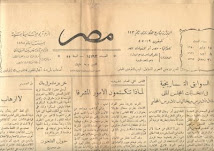
The Baha'i Faith in Egypt - Egyptian Magazine Last Hour 1950

نشرت هذه المقاله سنه 1950 فى جريده اخر ساعه تحت عنوان دين البهائيه يدعو للسلام وفيها ملخص عن التعاليم البهائيه


وتوجد بالمقاله ايضا صوره لمبنى المحفل البهائى فى القاهره
كاتب هذه المقاله هو الاستاذ احمد زين العابدين وفى خاتمه المقاله يقول هذه هى البهائيه دين جديد يدعو الى السلام ويقول البهائيون ان بهاء الله هو رسول الله فى الارض وان هناك علامات على ظهوره فى التوراه والانجيل والقران
لقد بلغ اتباع الدين البهائى خمسه ملايين شخص فى جميع انحاء العالم


This article was published in "Last Hour" an Egyptian magazine dated August 9, 1950 under the name "The Baha'i Faith call for Peace" there is a brief introduction about the Baha'i Faith, Picture of the Baha'i Center in Cairo, and a picture of Abdul Baha.
The writer name is Ahmed Zen Alabdin. he mentioned that "the Baha'i Faith is a new Religion preach for Peace. Bahá’u’lláh is the Founder of the Baha'i Faith. There are signs in all the previous Religions books about the Baha'i Faith. He mentioned also that the are five million Baha’is all over the world.

Friday, March 20, 2009

Egypt's step towards freedom of belief - Guardian - UK - March 17, 2009

Guardian Brian Whitaker

Egypt took a small but important step towards freedom of belief and equal rights yesterday when a court ruled that the "religion" section on national identity cards can be left blank.
In 1995 the Egyptian government began introducing computerised ID cards which forced everyone to identify themselves as belonging to one of the three "heavenly" religions: Islam, Christianity or Judaism. Cards could not be issued to anyone who refused to accept this, with the result that they effectively became non-citizens, unable to work legally, study beyond secondary school, vote, operate a bank account, obtain a driver's licence, buy and sell property, collect a pension, or travel.
The practice of restricting religion on ID cards to three officially approved choices had no basis in Egyptian law but was derived from the interior ministry's own (possibly erroneous) interpretation of Islamic teaching. It was challenged in the courts by several members of the Baha'i faith, which is thought to have around 2,000 followers in Egypt.
The Baha'i originated in Iran during the 19th century and by the early 20th century also had a flourishing community in Egypt.
Although the Baha'i faith is often regarded as a heretical offshoot of Islam, the Egyptian community was initially tolerated, but its position worsened in the 1950s – partly because of its accidental connections with Israel. In 1868, after being banished from his native Persia, the founder of the faith, Baha'u'llah, was exiled with his family and a small band of followers to the Turkish penal colony of Acre. As a result of this, the faith's international headquarters was established in the Acre/Haifa area, which later became part of Israel.
In the 1960s, President Nasser issued a decree which, in effect, withdrew state recognition from the Baha'i community and confiscated their property. Nasser's decree was reaffirmed by the supreme court in 1975 in a ruling which said that only the three "revealed" religions were protected by the constitution: the Baha'is were entitled to their beliefs but practice of the Baha'i faith was a "threat to public order" and therefore fell outside the constitutional protection for freedom of religion.
Yesterday's victory by the Baha'is in the supreme administrative court appears to mark the end of a five-year battle over the ID cards, since there is no route for further appeals by the Islamist lawyers who have been fighting them since the government dropped out.
"The significance of [yesterday's] decision goes far beyond the direct remedy it provides for hundreds of Baha'i Egyptians who have been the immediate victims of this arbitrary and discriminatory government policy," said Hossam Bahgat, executive director of the Egyptian Initiative for Personal Rights. "This final ruling is a major victory for all Egyptians fighting for a state where all citizens must enjoy equal rights regardless of their religion or belief."
Even so, there are likely to be continuing problems for Egyptian Christians, some of whom are recorded as Muslims on their ID cards against their will, while others try unsuccessfully to change their card after converting from Islam to Christianity. Officials often refuse on the grounds that the state cannot condone "apostasy".
Egypt is not alone in recording religion on ID cards – many countries do it, though it is an unnecessary invasion of privacy. It can also lead to discrimination when the holder is required to show it and in civil conflicts – Lebanon and Iraq, for example – it can put lives at risk.
As a United Nations special rapporteur noted in 2004:
The mention of religion on an identity card is a controversial issue and appears to be somewhat at variance with the freedom of religion or belief that is internationally recognised and protected. Moreover, even supposing that it was acceptable to mention religion on an identity card, it could only be claimed that the practice had any legitimacy whatsoever if it was non-discriminatory: to exclude any mention of religions other than Islam, Christianity or Judaism would appear to be a violation of international law.
Nine years ago, Greece had to remove religion from its ID cards to comply with EU rules on separation between church and state.
In Lebanon last month the interior minister issued a directive allowing citizens to have any reference to their religion removed from ID cards or civil registry records. Before that, everyone had been compelled to declare their allegiance to one of the 18 recognised faiths in Lebanon – contrary to the official policy of trying to eliminate sectarianism after the civil war.
Nadim Houry, a senior researcher for Human Rights Watch, who is based in Lebanon, said:
This is a step in the right direction, but the government needs to take the next step and ensure that all Lebanese can have access to personal status laws that are not religiously based and provide for equal treatment. Otherwise all Lebanese will continue to be forced to be officially members of specific religions and subject to their laws on key issues like marriage and inheritance.

لقاء مع دكتور رؤوف هندي (بهائي) على قناة العربية حول حكم المحكمة الادرية العليا

قناة العربية

Monday, March 16, 2009

The Egyptian Supreme Court allowed the Baha'is to extract their ID cards without mentioning religion

The Supreme Administrative Court issued in the Council of State in Egypt on Monday, a final ruling supporting the right of Egyptian Bahais to have national number Identification cards and birth certificates without mentioning any religion.

The ruling supported a similar provision had been made by the Administrative Judiciary Court "least" in January 2008. may not be forcing a conversion to the Baha'i religions officially recognized by Islam, Christianity and Judaism as a condition for access to compulsory identity cards.

The Egyptian Initiative for Personal Rights, which holds the Case, and said in a statement: "The ruling puts an end to the conflict, a long five years and provides for the abolition of government policy based on forcing Baha'is to change their beliefs or lying on them in exchange for the papers necessary for access to all services and the rights guaranteed to them as Egyptian citizens.

"Based on the Egyptian initiative, lawyers in the case that forcing the bahai's on the claim of conversion to Islam or Christianity in violation of the truth in violation of their rights to freedom of belief, privacy and equality, as well as the violation of the provisions of Islamic Sharia law, although the Interior Ministry, which was issued against the ruling did not challenge Accordingly, a number of lawyers filed appeals against the court ruling to stop its implementation, and for over a year based on the Ministry of the Interior to these appeals to refrain from implementing the rule of the court to issue the necessary papers to the Egyptian Baha'is.The legal officer of the Egyptian initiative for personal rights Adel Ramadan, which represented the Baha'is in the case: "The importance of this ruling is not only to ending the suffering of hundreds of citizens of Baha'is who have been forced to engage in a lengthy court battle and unnecessary against government policy of arbitrary and discriminatory, but the decision is Court victory for all the right of all Egyptians who believe in the equality of citizens before the law regardless of their religious beliefs. "Ramadan said: "After that the refusal to eliminate all appeals against that ruling in favor of the Baha'is, in the kit is no longer the Ministry of the Interior cannot make any additional arguments to the delays in the termination of this policy is arbitrary, which the Supreme Administrative Court ruled that the need to be stopped immediately and without delay."

It should be noted that with the begining of the certificates and national number Identification cards which is issued through the of computers in 2000 and the Department of Civil Status decided to stop the issue or renewal of official documents for the Egyptian Baha'is until the accept to change the religion established in the records to one of the three religions officially recognized which are : (( Muslim, Christian or a jew )) In 2004 this policy evolved by the Ministry of the Interior for the confiscation of birth certificates and identification cards of the citizens to prove their conversion.

In 2004 this policy evolved by the Ministry of the Interior for the confiscation of birth certificates and identification cards of the citizens which prove their conversion to the Bahai faith and their Birth from bahai parents and grandparents and refused to return them without changing the religion in which installed.In 2004 some Baha'is who had been seized without official papers to used the Administrative Judiciary Court to demand the reinstatement or renewal of their papers confiscated their documents which are expired, and in April 2006 the Administrative Court passed a ruling for the bahai to have the right to prove their conversion to the Bahai faith in the papers, but the Ministry gave gave the court an appeal to this provision and succeeded in abolishing it through the rule of the Supreme Administrative Court in December 2006.

In January 2007 the bahai 's went back again to the Administrative Judicial Court, demanding the right to obtain identity documents, without any religion, which has been endorsed by the Administrative Judiciary Court in January 2008, and ordered the Department of Civil Status to issue those papers with leaving the field of religion or a free sign ( ) before them, the Interior Ministry announced after the ruling, it will not appeal before the Supreme Administrative Court, but it will not be implemented until the elimination of separate appeals by a number of lawyers against the rule of the Islamists in for the Baha'is.the inability of the Bahai's has caused the extraction or renewal of identity cards and birth certificates over the past eight years, serious difficulties for those citizens who appreciated the promise of about two thousand people, because it not allowed to make birth registration or vaccinated against epidemics, or go to school or university, or access to employment, or other basic services without those civil papers.


بعد صراع قضائي استمر لخمسة أعوام: حكم نهائي وحاسم للإدارية العليا بحق البهائيين في استخراج وثائقهم الرسمية دون إجبارهم على تغيير معتقدهم

بيان المبادرة المصرية للحقوق الشخصية

رحبت المبادرة المصرية للحقوق الشخصية بالحكم النهائي الصادر اليوم عن المحكمة الإدارية العليا بتأييد حق البهائيين المصريين في الحصول على بطاقات الرقم القومي وشهادات الميلاد دون ذكر أي ديانة. وقالت المنظمة إن الحكم يضع نهاية لصراع قضائي دام خمسة أعوام ويقضي بإلغاء السياسة الحكومية القائمة على إجبار البهائيين على تغيير معتقداتهم أو الكذب بشأنها في مقابل الحصول على الأوراق الثبوتية اللازمة لحصولهم على كافة الخدمات والحقوق المكفولة لهم بوصفهم مواطنين مصريين.

وقال عادل رمضان، المسئول القانوني للمبادرة المصرية للحقوق الشخصية، والذي قام بتمثيل البهائيين في الدعوى: "إن أهمية الحكم الصادر اليوم لا تتمثل فقط في إنهاء معاناة المئات من المواطنين البهائيين الذين اضطروا للدخول في معركة قضائية طويلة وغير ضرورية ضد سياسة حكومية تعسفية وتمييزية، بل يعد قرار المحكمة انتصاراً لكافة المصريين المؤمنين بحق جميع المواطنين في المساواة أمام القانون بغض النظر عن معتقداتهم الدينية."

ويقضي حكم اليوم (في الطعن رقم 10831 لسنة 54 قضائية) بتأييد حكم مماثل كانت قد أصدرته محكمة القضاء الإداري في يناير 2008 بعدم جواز إجبار البهائيين على اعتناق إحدى الديانات المعترف بها رسمياً ـ وهي الإسلام والمسيحية واليهودية ـ كشرط لحصولهم على الوراق الثبوتية الإلزامية. وقد استند محامو المبادرة المصرية في الدعوى إلى أن إجبار البهائيين على ادعاء اعتناق الإسلام أو المسيحية بالمخالفة للحقيقة ينتهك حقوقهم في كل من حرية المعتقد والخصوصية والمساواة، فضلاً عن مخالفته لأحكام الشريعة الإسلامية. ورغم أن وزارة الداخلية ـ والتي صدر ضدها الحكم ـ لم تقم بالطعن عليه، إلا أن عدداً من المحامين تقدموا بطعون ضد الحكم واستشكالات لوقف تنفيذه. وعلى مدى أكثر من عام استندت وزارة الداخلية إلى هذه الطعون من أجل الامتناع عن تنفيذ حكم المحكمة بإصدار الأوراق اللازمة للبهائيين المصريين.

وأضاف عادل رمضان: "بعد أن رفض القضاء جميع الاستشكالات والطعون المقامة ضد الحكم الصادر لصالح البهائيين لم يعد في جعبة وزارة الداخلية أي حجج إضافية للمماطلة في إنهاء هذه السياسة التعسفية، والتي قضت المحكمة الإدارية العليا بضرورة وقفها فوراً ودون إبطاء."

خلفية
مع بدء العمل بشهادات وبطاقات الرقم القومي الصادرة عبر الحاسب الآلي في عام 2000 قررت مصلحة الأحوال المدنية دون سند قانوني التوقف عن إصدار أو تجديد الوثائق الرسمية للمصريين البهائيين ما لم يقبلوا بتغيير ديانتهم المثبتة في السجلات إلى إحدى الديانات الثلاث المعترف بها رسمياً. وفي عام 2004 تطورت هذه السياسة إلى إقدام وزارة الداخلية على مصادرة شهادات ميلاد وبطاقات تحقيق شخصية من مواطنين بهائيين تثبت اعتناقهم للبهائية وولادتهم لآباء وأجداد بهائيين ورفض إعادتها دون تغيير الديانة المثبتة فيها.

وفي عام 2004 لجأ بعض البهائيين الذين صودرت أوراقهم الرسمية دون وجه حق إلى القضاء الإداري للمطالبة بإعادة أوراقهم المصادرة أو تجديد وثائقهم التي انتهت صلاحيتها. وفي إبريل 2006 أصدرت محكمة القضاء الإداري حكماً لصالحهم قضى بحقهم في إثبات اعتناقهم للبهائية في الأوراق الثبوتية، إلا أن وزارة الداخلية قامت بالطعن على هذا الحكم ونجحت في إلغائه عبر حكم للمحكمة الإدارية العليا في ديسمبر 2006.

وفي يناير 2007 لجأ البهائيون من جديد إلى محكمة القضاء الإداري مطالبين بحقهم في الحصول على وثائق ثبوتية دون ذكر أي ديانة، وهو المطلب الذي أيدته محكمة القضاء الإداري في يناير 2008 وألزمت مصلحة الأحوال المدنية بإصدار الأوراق المذكورة مع ترك خانة الديانة خالية أو وضع علامة (ــ) أمامها. وأعلنت وزارة الداخلية عقب صدور هذا الحكم أنها لن تقوم بالطعن عليه أمام المحكمة الإدارية العليا، غير أنها لن تقوم بتنفيذه حتى يفصل القضاء في الطعون التي أقامها عدد من المحامين ضد الحكم الصادر لصالح البهائيين.

وقد تسبب عجز البهائيين عن استخراج أو تجديد بطاقات تحقيق الشخصية وشهادات الميلاد على مدى الأعوام الثمانية الماضية في صعوبات بالغة لهؤلاء المواطنين الذين يقدر عدهم بحوالي ألفي مواطن، حيث لا يسمح بدون هذه الوثائق بتسجيل المواليد أو تطعيمهم ضد الأوبئة، أو الالتحاق بالمدارس أو الجامعات، أو الحصول على عمل، أو غير ذلك من الخدمات الأساسية.

تعقيب

هذا الحكم هو انتصار لكل المصريين الذين يؤمنون بمبادئ حقوق الانسان ،واحقية كل فرد فى التمتع بجميع حقوق المواطنة بغض النظر عن جنسه او معتقده او دينه

هذا الحكم هو انتصار لكل من يؤمن بالدفاع عن حقه بالطرق القانونية السليمة والصبر حتى ينال مراده كما فعل البهائيون المصريون

هذا الحكم سيفتح الباب لجميع المظلومين بان يطالبوا بحقوقهم بشجاعة واحترام ودأب عن طريق الطرق المشروعة

تهنئة احترام وتبجيل للقضاء المصري وكل من دافع عن هذه القضية ، ونتمنى ان يتم تنفيذ الحكم باسرع وقت، فيكفى خمس سنوات من المعاناة

Friday, February 27, 2009

U.S. Department of State - 2008 Human Rights Report: Egypt

February 25, 2009

The National Democratic Party (NDP) has governed the Arab Republic of Egypt, which has a population of approximately 82 million, since the party's establishment in 1978. The NDP, which continued to dominate national politics by maintaining an overriding majority in the popularly elected People's Assembly (PA) and the partially elected Shura (Consultative) Council, derives its governing authority from the 1971 constitution and subsequent amendments. Executive authority resides with the president and the cabinet. In 2005 President Hosni Mubarak won a fifth consecutive six-year term with 88 percent of the vote in the country's first presidential election, which was marred by low voter turnout and charges of fraud. The civilian authorities did not always maintain effective control of security forces, who committed numerous, serious abuses of human rights.

The government's respect for human rights remained poor, and serious abuses continued in many areas. The government limited citizens' right to change their government and continued a state of emergency that has been in place almost continuously since 1967. Security forces used unwarranted lethal force and tortured and abused prisoners and detainees, in most cases with impunity. Prison and detention center conditions were poor. Security forces arbitrarily arrested and detained individuals, in some cases for political purposes, and kept them in prolonged pretrial detention. The executive branch placed limits on and pressured the judiciary. The government's respect for freedoms of press, association, and religion declined during the year, and the government continued to restrict other civil liberties, particularly freedom of speech, including Internet freedom, and freedom of assembly, including restrictions on nongovernmental organizations (NGOs). Government corruption and lack of transparency persisted.


The government made significant and effective efforts to combat female genital mutilation (FGM). These efforts included education, outreach, and the passage and enforcement of legislation criminalizing FGM. In addition, courts issued the first two convictions on sexual assault charges.

The constitution provides for freedom of belief and the practice of religious rites; however, the government restricted the exercise of these rights. According to the constitution, Islam is the official state religion, and Shari'a (Islamic law), the primary source of legislation. Religious practices that conflict with the government's interpretation of Shari'a are prohibited.
Members of non-Muslim religious minorities officially recognized by the government generally worshiped without harassment and maintained links with coreligionists in other countries.


Members of religions not recognized by the government, particularly Baha'is, experienced personal and collective hardship. Religious groups seeking recognition must submit a request to the MOI, which determines whether, in its view, the group would pose a threat to national security or social order. The MOI also consults leading religious figures, particularly the pope of the Coptic Orthodox Church and the sheikh of Al-Azhar. The last official recognition of a religious group occurred in 1990. The government did not recognize marriages of citizens adhering to faiths other than Christianity, Judaism, or Islam, nor did it recognize conversions of Muslim-born citizens to other religions.


The law prohibited blasphemy and the "denigration of religions." Though there were no reported prosecutions, at least one Koranist was arrested and was being held without charges at year's end. The government prosecuted members of religious groups whose practices deviated from mainstream Islamic beliefs and whose activities were believed to jeopardize communal harmony.

The law bans Baha'i institutions and community activities and stripped Baha'is of legal recognition. The government continued to deny civil documents, including ID cards, birth certificates, and marriage licenses to members of the Baha'i community. The MOI requires identity card applicants to self-identify as a Jew, Christian, or Muslim. As a result, Baha'is faced difficulties in conducting civil transactions, including registering births, marriages, and deaths, obtaining passports, enrolling children in schools, and opening bank accounts. During the year Baha'is were compelled either to misrepresent themselves as Muslim, Christian or Jewish, or go without valid identity documents. Many Baha'is chose the latter course.

Traditional practices and some aspects of the law discriminated against religious minorities, including Christians and particularly Baha'is. The law requires non-Muslims to obtain a presidential decree to build a new place of worship. In addition, MOI regulations, issued in 1934 under the Al-Ezabi decree, specify a set of 10 conditions the government must consider before a presidential decree for construction of a new non-Muslim place of worship can be issued. The conditions include the requirement that the distance between a church and a mosque not be less than 100 meters (328 feet) and that approval of the neighboring Muslim community be obtained before a permit to build a new church may be issued.


You could read the whole report at: 2008 Human Rights Report: Egypt

Wednesday, February 25, 2009

The Netherlands condemns the trial of Iranian Bahá’is

February 20, 2009 Netherlands is concerned about the trial of seven leaders of the Bahá’i community in Iran. The seven have been held since May, without any access to legal assistance, on charges of blasphemy and spying for Israel. The trial opens this week.
The leaders of the Bahá’i, a religious minority in Iran, are facing a possible death sentence if convicted of the charges. The Netherlands fears that the trial will not be fair, and it has asked Iran through the EU to allow an independent observer to monitor the judicial process.
Minister of Foreign Affairs Maxime Verhagen is seriously concerned about the fate of the Bahá’is: ‘The Netherlands will continue to work hard to eliminate human rights violations and the oppression of religious and ethnic minorities. We will do this bilaterally, by repeatedly calling the Iranian authorities to account for their human rights policy, and internationally, by bringing the plight of religious minorities to the attention of the Human Rights Council in Geneva.’At the initiative of the Netherlands and several other member states, the EU has issued a declaration objecting to this instance of religious discrimination. Not only are many Bahá’is being detained without formal charges, they are also excluded from Iranian universities and denied certain permits.

Thursday, February 19, 2009

Congressman Mark Kirk: Then they came for the Baha’is - Iran Press Watch


The following speech by Hon. Mark Steven Kirk of Illinois was delivered to the House of Representatives:

Bipartisan Resolution Condemning Persecution of Baha’is in Iran
”In Germany, they first came for the gypsies, and I didn’t speak up because I wasn’t a gypsy. Then they came for the Bolsheviks, and I didn’t speak up because I wasn’t a Bolshevik. Then they came for the Jews, and I didn’t speak up because I wasn’t a Jew. Then they came for the trade unionists and I didn’t speak up because I wasn’t a trade unionist. Then they came for the Catholics. I didn’t speak up then because I was a Protestant. Then they came for me, and there was no one left to speak up.”–Martin Niemoller, a Lutheran pastor arrested by the Gestapo in 1937.

Mr. KIRK. Madam Speaker, then they came for the Baha’is.

The Baha’i Faith is the youngest of the world’s independent monotheistic religions. Founded in Iran in 1844, it now claims more than 5 million adherents in 236 countries and territories. Gathering worshipers from nearly every national, ethnic and religious background, the Baha’is preach tolerance, diversity and equality.

To an Islamic dictatorship that denies its people basic political and human rights, this religion founded in Iran on the tenets of religious tolerance remains an anathema to the Supreme Leader. And the world is standing by as Iran’s state-sponsored persecution of its Baha’i minority nears its final stages.

In 2006, Iran’s Armed Forces Command Headquarters ordered the Ministry of Information, the Revolutionary Guard, and the Police Force to identify members of the Baha’i Faith in Iran and monitor their activities.

In that same year, we saw the largest roundup of Baha’is since the 1980s. The Iranian Interior Ministry ordered provincial officials to ”cautiously and carefully monitor and manage” all Baha’i social activities. The Central Security Office of Iran’s Ministry of Science, Research and Technology ordered 81 Iranian universities to expel any student discovered to be a Baha’i.
In 2007, the situation worsened. More than two-thirds of the Baha’is enrolled in universities were expelled once identified as Baha’is. Police entered Baha’i homes and businesses to collect details on family members.

Twenty-live industries were ordered to deny licenses to Baha’is. Employers were pressured to fire Baha’i employees and banks were instructed to refuse loans to Baha’i-owned businesses. Baha’i cemeteries were destroyed.

In November 2007, three Baha’i youths were detained for educating underprivileged children.
The following month, the Iranian Parliament published a draft Islamic penal code, requiring the death penalty for all ”apostates”–a term applied to Baha’is and any convert away from Islam.
On May 14. 2008, seven members of Iran’s national Baha’i coordinating group were arrested. This is reminiscent of the mass disappearance and assumed murder of all the members of the National Spiritual Assembly of the Baha’is of Iran in August, 1980.

On August 1, 2008, the U.S. House of Representatives passed H. Res. 1008, condemning the persecution of Baha’is in Iran and calling for the immediate release of all Baha’is imprisoned solely on the basis of their religion.

Our bipartisan voice bought the Baha’i leadership some time–but it appears only 6 months.
This week, the Government of Iran charged the seven Baha’i leaders with ”espionage for Israel, insulting religious sanctities and propaganda against the Islamic republic.” Deputy Tehran Prosecutor Hassan Haddad declared, ”The charges against seven defendants in the case of the illegal Baha’i group were examined . . . and the case will be sent to the revolutionary court next week.” It is time for the international community to act.

Today, along with my colleagues Jim McGovern and Brad Sherman, I am introducing a bipartisan resolution calling on the Government of Iran to immediately release the seven Baha’i leaders and all others imprisoned solely the basis of their religion.

I urge President Obama and Secretary Clinton, in concert with the international community, to publicly condemn Iran’s persecution of its religious minorities and demand the release of these seven community leaders.

Monday, November 24, 2008

Egyptian Baha'i Child Denied Birth Certificate - Al-Badeel Newspaper

The Child was born in 9th November 2008 and still couldn't get a birth certificate because he is Baha'i. This news item was published in today's edition of Cairo's Al-Badeel newspaper .

The baby's father told the newspaper that this means that his newborn child cannot be counted in Egypt's census, he cannot be vaccinated against serious infectious diseases and that the baby's mother cannot obtain maternal leave from her employment.

This newborn can be now added to a long list of Egyptian children, born to Baha'i parents, who live in the shadows, and whose existence their own government has denied. They are deprived of all their human and civil rights, including the rights to health care and education.

The circular in the right was distributed by the Department of Civil Status in July to its branches and health centers in which it affirms that only three religions (Judaism, Christianity or Islam) can be listed under the religion field!
By doing so, Egypt continues to be in gross violation of all international covenants that guarantee the rights of man, to which Egypt is a co-signatory.

Friday, September 12, 2008

The Baha'i Faith in Egypt - Almasry Alyoum

Almasry Alyoum
By Salah Eissa

Approximately three weeks ago, I raised the issue of two children, namely 6-year-old Nour and 3-yeard-old Hana. The British School in New Cairo refused to move Nour from the kindergarten to the primary stage and to admit Hana in the kindergarten. The reason was that their documents did not include an electronic birth certificate, but only a paper one

There is no solution to that problem because their father, Wassim Kamal Eddin, is a Bahai, but his religion is not officially recognized as a religion by the Civil Affairs Administration, which therefore refuse to issue a national ID number for its followers.

No officials offered a solution to Kamal's problem. Yet, they just had to accept a simple solution suggested by Kamal, namely that the two children should be admitted with the paper certificate till a court ruling recently issued by the Administrative Judiciary Court is put into effect.
The ruling says that a dash will be put in the religion space in the certificate for those who embrace a religion other than those recognized in Egypt.

Last week, I received a message from Kamal saying that after the efforts made by the Secretary General of the National Council for Human Rights Mokhles Qotb and the Egyptian initiative for personal rights run by Hossam Bahgat, Education Minister Yosri el-Gamal sent two employees from his office and the head of the Primary Education Directorate in New Cairo to the school.
After negotiations, the school administration decided to enroll Nour again in the school and to admit Hana to the kindergarten, provided that they study one of the two recognized religions. This was accepted by their father. The school stipulated that the father brings the electronic certificates before mid-December.

Although el-Gamal deserves appreciation for his intervention to save those two innocent children's future, the problem is still unsolved, not only because the two children could be dismissed in a few weeks' time, but also because the problem concerns several other Egyptian Bahais. Indeed, administrative bodies insist on not giving them any official documents recognizing their religion.

These organs offer them to write one of the three recognized religions in the religion space in their documents, otherwise they will have no official documents. The bodies had taken official documents away from them that recognized their religion.

The gross error made by governmental organs is that they deal with the issue of Bahaism as a religious issue and adopts their views and take their decisions on the basis of statements and opinions by Al-Azhar Grand Sheikh and the Islamic Research Academy regarding Islam's stance on Bahaism.

As far as the State is concerned, this is a civil and constitutional, rather than religious, affair.
Followers of any religion do not recognize other religions and ideologies; Jews do not recognize Christianity or Islam, and neither do Muslims and Christians with other religions.

The State does not have the right to favor followers of a certain religion at the expense of other religions. This means that it deprives the others of freedom of belief and persecutes them.A national State basically includes citizens of different colors, races, religions and political ideologies. These citizens agreed on protecting each other's freedom of belief. They are equal in rights and duties.

Their constitution is based on these facts and they elected a government to enforce it. This government does not have the right to impinge on the rights of any individual simply because he or she embraces a different religion.

This is the issue or, so to speak, the farce. When we failed to understand it, we deprived two Egyptian children from the simplest citizenship rights, namely having a birth certificate; and the reason is that they embrace a religion other than the one we follow.


في أصول المسألة البهائية


منذ حوالي ثلاثة أسابيع أثرت في هذا المكان، مشكلة الطفلتين «نور» ٦ سنوات و«هنا» ٣ سنوات اللتين رفضت المدرسة البريطانية بالقاهرة الجديدة، نقل أولاهما من الحضانة إلي المرحلة الابتدائية، ورفضت قبول الثانية بمرحلة الحضانة، لأن أوراق التقديم تخلو من مستند مهم، هو شهادة الميلاد الإلكترونية، وتقتصر علي شهادة الميلاد الورقية، وهي مشكلة لا حل لها، لأن والدهما وسيم كمال الدين نصير يدين بالبهائية، التي لا تعترف بها مصلحة الأحوال المدنية، وترفض استخراج بطاقة الرقم القومي لمن يدين بها، إلا إذا قبل أن ينتقل منها إلي إحدي الديانات السماوية الثلاث، وبالتالي فهو لا يستطيع استخراج شهادة ميلاد إلكترونية لبناته،
وكان عليه أن يدوخ السبع دوخات، بين الإدارات التعليمية، من دون أن يجد مسؤولاً يحل له مشكلته، ويحول دون ضياع مستقبل ابنتيه، ويقبل الحل البسيط الذي اقترحه، وهو قبول الطفلتين بالشهادة الورقية إلي حين تنفيذ الحكم الذي أصدرته محكمة القضاء الإداري أخيراً، بأن توضع «شرطة» أمام خانة الديانة، لمن يدينون بغير الأديان المعترف بها في مصر.
وفي الأسبوع الماضي، تلقيت رسالة من الأستاذ وسيم كمال الدين والد الطفلتين يقول فيها، إن الجهود التي بذلها السفير مخلص قطب، الأمين العام للمجلس القومي لحقوق الإنسان، والمبادرة المصرية للحقوق الشخصية،
التي يديرها الأستاذ حسام بهجت، وما أثارته الصحف، قد انتهت بأن أرسل وزير التربية والتعليم د. يسري الجمل اثنين من العاملين في مكتبه، فضلاً عن مدير التعليم الابتدائي بالقاهرة الجديدة، إلي المدرسة،
وتقرر ـ بعد التفاوض ـ أن يعاد قيد «نور» وأن تلحق «هنا» بالحضانة، علي أن تدرسا إحدي الديانتين المعترف بهما، وتكون مادة نجاح ورسوب، وهو ما وافق عليه ولي أمرهما، علي أن يتقدم قبل منتصف ديسمبر المقبل بشهادة الميلاد الإلكترونية.. وإلا..
ومع أن الدكتور «يسري الجمل» يستحق الشكر، لأنه تدخل لإنقاذ مستقبل هاتين الطفلتين البريئتين، اللتين كاد مستقبلهما يضيع بسبب لا ذنب لهما فيه، ولا علم لهما به،
فإن المشكلة لا تزال قائمة، ليس فقط لأن خطر الفصل من المدرسة يحيق بهما بعد أسابيع قليلة، ولكن ـ كذلك ـ لأن المشكلة لا تقتصر عليهما، بل تطول غيرهما من المصريين البهائيين، وتسبب لهم مشاكل لا حصر لها، نتيجة إصرار الجهات الإدارية علي عدم منحهم أي أوراق ثبوتية، تتضمن الإشارة إلي ديانتهم، وتخييرها لهم،
بين تسجيل إحدي الديانات السماوية الثلاث، أمام خانة الديانة في هذه الأوراق، أو يظلون بلا أوراق ثبوتية، يتعاملون بها مع الآخرين، بعد أن لجأت هذه الجهات إلي سحب ما لديهم من أوراق رسمية، كانت تعترف بهذه الديانة من قبل.
والخطأ الرئيسي الذي تقع فيه الهيئات الحكومية هي أنها تتعامل مع المسألة البهائية، باعتبارها مسألة دينية، وتستند في نظرتها وقراراتها نحوها، إلي تصريحات وفتاوي أو آراء لفضيلة شيخ الأزهر أو لمجمع البحوث الإسلامية تتعلق بموقف الإسلام من البهائية، في حين أن المسألة ـ فيما يتعلق بالدولة تحديداً ـ مدنية ودستورية وليست دينية..
فأتباع كل الأديان والمذاهب الدينية، ينكرون الأديان والمذاهب التي يؤمن بها غيرهم، فاليهود لا يعترفون لا بالمسيحية ولا بالإسلام، وبعض مذاهبهم تنكر الأخري، والمسيحيون لا يعترفون باليهودية كما يفهمها اليهود،
ولا بالإسلام، وبعض مذاهبهم تنكر الأخري، والمسلمون، يعترفون بالمسيحية واليهودية، ولكنهم يعتبرون أتباعهما قد حرفوا الكتب التي نزلت علي رسلهم، فضلاً عن أن من بينهم من ينكر الإسلام علي أتباع المذاهب الإسلامية التي تختلف مع مذهبه!
وإذا كان من حق أتباع كل دين وكل مذهب ديني، أن يؤمنوا بما شاءوا وحسابهم علي الله عز وجل، فليس من حق الدولة، أن تنحاز لرؤية أتباع دين أو مذهب معين من رعاياها، عن غيره من الأديان والمذاهب، لأن معني ذلك أن تصادر حق الآخرين في اعتقاد ما يشاءون، وأن تقنن اضطهادهم أو التمييز ضدهم!
والأساس في نشأة الدولة الوطنية، هو أنها تجمع بين أفراد يختلفون في ألوانهم وأنواعهم وأديانهم ومذاهبهم الدينية وأفكارهم السياسية، ينتمون لأرض محددة، اتفقوا فيما بينهم علي أن يصونوا حق كل منهم في أن يؤمن بما يشاء، ويصون حقه في أداء الشعائر الدينية للدين أو المذهب الذي يؤمن به،
وأن يتساووا جميعاً في الحقوق والواجبات، وصاغوا كل ذلك في دساتير، وانتخبوا حكومة لتطبقها، وليس من حق هذه الحكومة أن تنتقص من حق أحدهم، لمجرد أنه يدين بدين أو مذهب مختلف مهما كان رأيها فيه، إذ إن حسابه علي ذلك، يتم يوم الحشر العظيم، وأمام رب العزة!
تلك هي المسألة، أو المهزلة، التي قادنا العجز عن فهمها، إلي حرمان طفلتين مصريتين من أبسط حقوق المواطنة.. وهو أن تكون لكل منهما شهادة ميلاد لمجرد أنهما تدينان بما لا ندين ولا نؤمن به.

Thursday, September 4, 2008

An interview with Dr. Basma Moussa, a well noun Baha’i

“I feel discrimination, I don’t want to say persecution”

What is the story of the Baha’i community in Egypt? When did the Baha’i Faith enter Egypt?
New religions usually spread through merchants moving from one place to another. The Baha’i Faith entered Egypt in the year 1864 through a group of Iranian merchants, four of whom decided to settle down in Egypt. Through them, Egyptians began to learn of the Baha’i Faith and Bahá’ís began to emerge.The Baha’i Faith has had a presence in Egypt since the mid 19th century, and there was an official
recognition from the state in the year 1934.When did the problems begin?
The problems began recently, specifically in the year 1960 when a presidential decree was issued ordering all Spiritual Assemblies to be closed. Spiritual Assemblies coordinate spiritual and administrative aspects of the Baha’i community and after the decree was issued we were forced to turn to the elders of the community for guidance.
Did the closing of the Spiritual Assemblies pose a problem to you?
It wasn’t a big problem as we didn’t use them to congregate and pray; it served as an administrative building where meetings and marriage ceremonies were held. Problems emerged after 1960 because we depended on members of the Spiritual Assembly to resolve our problems. Now families depend on the experienced elderly in the community to solve problems.Although the presidential decree that imposed a ban from congregating in the form of a National Spiritual Assembly was unjust, we have committed ourselves to it because of an important principle in our Faith: obeying the government in matters that are not against our Faith. We are committed to the decree and do not hold any elections.
What do you mean by elections?
The elections for the members of the National Spiritual Assembly. After the year 1960, several Baha’is were arrested in 6 separate cases, accused of breaching the presidential decree. The accused would spend a week, months or even a whole year in prison before they would be released as not guilty.And throughout that time, no Baha’i was convicted of a crime against security or of indecency.
What are the most prominent problems that you face?
The issuing of identification cards began in the year 1960, the same year the National Spiritual Assembly was closed. At the time, Baha’is would have “Baha’i” or a dash “-” listed under the religion field in identification papers and the system was worked with until the year 1998, when National Identification Numbers [NIN] were introduced.Four options were actually available under the religion field - “Muslim - Christian - Jewish - Other”, and the Baha’is’ details were shifted under the category of “other” and we did not suffer as we could extract National Identification Numbers with “Other” listed for religion. Unfortunately, not many Baha’is were able to do so and very few got birth certificates or national identification cards with “other” listed in the religion field,And in the year 2004, an administrative decree was issued, and the decision is listed in the Executive Regulations of the Department of Civil status - that limits the options for religion to three - Muslim, Christian and Jewish.I don’t know who issued such a decree, and what benefit there is in defining religions for Egyptians and forcing them to list a religion other than theirs. Such a move puts Egyptians in the position of contravening executive orders, especially since there is a clause which states that forgeries in entering data are punishable by three years imprisonment.Secondly, if I write down “Christian”, “Muslim” or “Jewish”, I will face accusations from these esteemed religious institutions that I am an apostate. Thirdly, my Faith instructs me that honesty is the best human virtue and by listing a religion other than my own I would be going against the teachings of my own Faith.
Who was the first person to experience these difficulties?
It began with an engineer who tried to add his three daughters to their mother’s passport. Naturally, he submitted all the necessary cards, papers and the girls’ birth certificates and the normal procedure is that the clerk takes copies and returns the original documents. Instead, the clerk took all the papers and instructed him to return on the next day for the originals. When he returned the next day, he was surprised when the clerk informed him that he altered the religion on both the computer and papers to “Muslim”. It was certainly an unjust arbitrary act from the clerk, but he had learned of an administrative decision (No. 49 for the year 2004) that limits the number of religions to three.In your opinion, why was such a decree (the Presidential decree of 1960) issued?The decree was made during Egypt’s union with Syria, and in that time a unified constitution was issued that had no provisions for freedom of belief, and the constitution was worked with until the year 1961. Baha’is couldn’t protest because there was no clause they could resort to when filing a case. But after the new Constitution was ratified in 1971, we did file a lawsuit.
Why did President Abdul Nasser issue such a decree?
It was after the president visited Syria - and I’ve heard this account in a seminar - and the Syrian president told him “Why do you allow Baha’is [in your country] when their Holy Shrine is in Acre (Akka)?”Is it true that your holy places are in Acre?Yes, the shrine of our Prophet Baha’u’llah is in Acre. Our Prophet went to Acre as a prisoner in an Ottoman prison. The said prison was known as being the worst in the Ottoman sultanate, and as historians have stated “If a bird flew over it, it would fall” as the prison was plagued with diseases and had a terrible stench. He was sent there to die.When he went to Acre in 1868 there was no Israel or Palestine, only the Ottoman sultanate. He died in the year 1892.And the fact that he was forcefully exiled to Acre as a prisoner doesn’t mean Baha’is have a connection to Israel or the founding of the state of Israel. How can a prisoner create a state or assist in the creation of a state? Al-Aqsa mosque and the Church of the Nativity are also in Israel; God has made this place for all religions.
Do you feel persecuted?
I don’t want to describe it as persecution, but it is discrimination - religious discrimination. As a citizen, I have obligations that are taken from me, but I have rights which I cannot claim.
Do you think the discrimination would reach the level of persecution in the future?
We Baha’is believe that our religion is still in its infancy and our religion is facing the same predicaments all other faiths were met with. People don’t easily accept new religions, but it’s a period that will pass.The Baha’i religion has followers in 235 countries and principalities and is considered the second most geographically spread religion in the world after Christianity. The acceptance of the Baha’i Faith in these countries and regions are proof that it is a religion of peace.
Do Baha’is have a problem with the state?
We do not have a problem with the state - all our problems are procedural and are represented in our inability to possess identification papers. I do believe that the government will resolve the issue.
What are your plans for the upcoming period?
The only place that opened its doors to us was the National Council for Human Rights and it adopted our cause since the year 2004. Even though we had knocked on many doors, we didn’t know where to seek help because like all ordinary Egyptians our major concerns were making a living and raising our children. Our religion prohibits us from engaging in political activities or going on strikes because we believe in the unity of humanity and factionalization demolishes that concept.
Who speaks for you in the National Council for Human Rights?
No one does it on our behalf. Our relationship with NHCR began after the Supreme Council for Islamic Affairs published a book full of inaccuracies in which it claims towards the end of the book that the Baha’i Faith is disbelief and heresy, which are not in our Faith at all.What was said in that book?It stated that the Baha’i Faith is a kind of pestilential disease, and I took the book and filed a complaint with the NCHR. The book was an incitement against Baha’is.I recall that I enclosed a copy of the book with my complaint, and the Council later held a seminar on removing the “Religion” field and we were invited to attend. It was the first time a governmental body invites us as Baha’is, and it was an audacious move.
Did you speak at the seminar?
Yes and when I spoke I said that I am a Baha’i, and the audience was shocked. It was the first time they had heard or seen a follower of the Baha’i Faith openly proclaim her faith.
What is the number of Baha’is in Egypt?
I cannot answer that as there is no census, but before the year 1960 a newspaper named “Al Youmiya” published that they number 5,000 in Egypt.
Can you estimate the number of Baha’is?
Some say 2,000 but the papers containing the census were confiscated from the National Spiritual Assembly and its members have passed away. I cannot give an estimate, but we are spread across the country.
If you were in a committee and people found out that you are a Baha’i, what would the situation be like?
It would be a very difficult situation and I personally haven’t experienced it before but have been through similar circumstances. I recently went to apply for a credit card but the clerk said he cannot give it to me as I don’t have a National Identification Number. And the last time I went to the bank, I was told that I could no longer withdraw money from my own account because I don’t have the required identification papers. Another example is that my sister wanted to apply for an apartment for her son, but was told that it’s not possible and recently our children have been incapable of being admitted to schools and universities.
How did the call for the Baha’i Faith - or the new religion as you described it - start?
Personally, when a person asks me this question I tell them they can research it online. Even if I were in a position where I could speak freely, I would not invite anyone to the Faith.
Is it because you fear infuriating others?
No, but an important principle of the Baha’i Faith is that people must investigate truth independently.The Ministry of Interior declared that it doesn’t object to the judge’s decision that a “-” be placed in the religion field. Is that considered a sign of hope that the problem will be solved?I believe so, because at first the Ministry objected to the ruling because the public opinion was against writing “Baha’i”. And the Baha’i community gave suggestions, which is to either list “Other” or write a dash, and the alternate solutions were accepted.
How are you treated outside Egypt?
There are Baha’is in all Arab countries and they are treated with utmost respect. Some Arab countries are very open and treat Baha’is as a segment of society and they contribute in finding solutions to certain issues such as poverty, education and others and they are treated as citizens.The Universal House of Justice has projects in poor and developing nations that address the environment, education and small industries.
Do you consider yourself a sect?
The Baha’i Faith is an independent religion, with its own principles and provisions. And in 1925, a revolutionary ruling by a court recognized the Baha’i religion in Egypt.
What is the cause of this confusion? Is it a similarity in names?
Our religious provisions are entirely different. Bahá’ís fast and pray but they differ from the Islamic religion, and the Baha’i calendar has 19 months with each month containing 19 days. Marriage in the Baha’i Faith is different too, because we’re allowed to marry adherents of other faiths, but the consent of parents is required.
Have you faced any problems with your neighbors recently?
I personally have not faced any problems with my neighbors. In the recent period though there have been some problems, especially after the media covered the topic of Bahá’ís and after the Interior Ministry’s decision and the publication of the decree by the Ministry of Endowments condemning the Baha’i Faith.
What was your reaction?
We turned to the state security apparatus to provide us with protection.
Did they protect you?
Yes
What is Naw-Ruz?
It is the Baha'i New Year, It came after the fasting period which began every year on March.2sd -March 21st.
What is your relation with Iran?
We had no relation with Iran. Iran do not treat Bahá’ís well at all.
Is there Bahá’ís in Iran?
Many.
Do you hide their faith?
No,they do not hide thier believes.
How many Bahá’ís in Iran?
About 400 thousand.
This number significantly?
Supposed to be more, because millions of Bahá’ís in Iran who emigrated after the revolution Khomeini persecuting them, and what happened to the Bahá’ís in Iran could be called upon, persecuted and killed because of the violent and physically and is still in prison.
Do you involve in Political affaires?
No, we don’t involve or speak in Politic at all. That is a law in the Bahá’í Faith.

:البهائية المعروفة الدكتورة باسمة محمد موسي في حوار لـ المصري اليوم
أشعر بالتمييز ولا أريد القول بأنه اضطهاد
حوار شارل فؤاد المصري

لم يكن سهلاً إجراء حوار معها، خاصة أن «ديانتها» تمنعها عن الحديث في السياسة، إضافة إلي أن ثقتها في وسائل الإعلام تكاد تكون معدومة.
البهائية المعروفة الدكتورة باسمة محمد موسي، الأستاذة بكلية الطب، وافقت علي إجراء أول حوار مع صحيفة مصرية، تحدثنا فيه في جميع الأمور الخاصة بالبهائيين والقضايا التي رفعوها في المحاكم وحياتهم وعقيدتهم ومشاكلهم.
الحديث دار أيضاً في أمور شبه سياسية وأيضا اجتماعية وتاريخية.
الدكتورة باسمة قالت لـ«المصري اليوم» إنها تشعر بالتمييز ولا تريد القول إنه اضطهاد، مؤكدة أنها ستظل بهائية مهما حدث، مشيرة إلي أن البهائيين ليس لهم أي مشاكل مع الدولة ومشكلتهم الوحيدة هي «أوراق ثبوتيتهم»، مؤكدة أن الجهاز الأمني يتولي حمايتهم.
وعندما سألناها عن التوريث رفضت الإجابة باعتبار ذلك سؤالاً سياسياً وأن دينها يمنعها من الحديث في السياسة ولكنها قالت «ربنا يولي الحاكم الذي يعدل بين المصريين». وامتنعت عن الإجابة عن سؤال: ما هو تقييمك للأوضاع في مصر حالياً؟! وإلي الحوار:


بداية.. ما حكاية البهائيين في مصر؟ ومتي دخلت البهائية؟
- الديانة البهائية دخلت مصر عام ١٨٦٤، وكأي ديانة جديدة، عادة تأتي مع الناس الرحل الذين ينتقلون من مكان إلي مكان وينشرون الدعوة.
والبهائية أعلنت في بغداد، وجاء إلي مصر مجموعة من التجار الإيرانيين المشهورين بتجارة السجاد العجمي وكان معهم أربعة استقروا في مصر وبدأ الناس في التعرف عليهم وبدأت معهم البهائية وظهر البهائيون وبدأ في الظهور مسلمون بهائيون وهكذا.
والبهائية موجودة في مصر منذ منتصف القرن ١٩ والفترة من ١٨٦٤ وحتي ١٩٦٠، أي حوالي قرن من الزمان تقريباً، والديانة البهائية موجودة ومازالت وكان هناك اعتراف رسمي من الدولة بالمحفل المركزي سنة ١٩٣٤ عندما سجل في المحاكم المختلطة.
أين يوجد المحفل البهائي؟
- عام ١٩٣٤ اشترينا قطعة أرض وأقمنا عليها المحفل المركزي والمدافن، ولايزال المبني قائماً بجوار الكاتدرائية بالعباسية، وفي كل هذه الفترات لم تكن هناك مشاكل تواجه البهائيين.
متي بدأت المشاكل تحديداً؟
- المشاكل بدأت حديثاً، وتحديداً عام ١٩٦٠ عندما صدر القرار الجمهوري بغلق المحافل البهائية، وهي الأماكن التي كانت تنظم وضع البهائيين الروحي والإداري، وبعد صدور هذا القرار بدأنا في اللجوء إلي كبار السن من البهائيين لأنه لم يعد لنا أحد نلجأ إليه.
هل إلغاء المحافل البهائية شكل لكم مشكلة؟
- لم يمثل لنا مشكلة كبيرة لأننا أصلاً لم نكن نذهب إلي هذا المكان لكي نصلي، وإنما كان عبارة عن مبني إداري تقام فيه اجتماعات وإجراءات الزواج بالنسبة للبهائيين.
وفي عام ١٩٦٠ بدأت المشاكل تظهر بعد إلغاء المحافل، خاصة أننا كنا نعتمد علي أعضاء المحفل المركزي في حل مشاكلنا، والآن كل أسرة أو أسرتين يحلون مشاكلهم بالاعتماد علي ذوي الخبرة من البهائيين.
إضافة إلي أنه كان يفرض علينا عدم التجمع علي هيئة محفل مركزي، ورغم أن القرار الرئاسي كان مجحفاً، إلا أننا التزمنا به ويأتي التزامنا به لوجود مبدأ مهم في ديننا، وهو طاعة الحكومة بما لا يخل بعقيدتنا البهائية، ونحن ملتزمون به ولا نجري انتخابات!
ماذا تقصدين بالانتخابات؟
- انتخابات أعضاء المحفل المركزي الذين يسهمون في حل مشاكلنا، وبعد عام ١٩٦٠ تم القبض علي البهائيين في حوالي ٦ قضايا، وكان سبب القبض هو نقض هذا «الحكم الرئاسي» - تقصد القرار - وكان البهائيون يقضون في السجن أسبوعاً أو شهوراً قد تصل إلي عام، وفي النهاية يخرجون براءة.
وطوال هذه الفترة لم يحكم علي أي بهائي بجريمة مخلة بالشرف أو الأمن العام.
ما هي أبرز المشكلات التي تواجهكم؟
- معروف أن البطاقات الشخصية تقريباً بدأت عام ١٩٦٠، وفي العام نفسه تم إغلاق المحفل البهائي، وكان يكتب للبهائيين في الأوراق الثبوتية «بهائي» أو «ــ» ولم نتضرر.. المهم ألا يكتب لنا أي ديانة أخري غير البهائية، وظل هذا النظام معمولاً به حتي عام ١٩٩٨ عندما بدأ العمل ببطاقات الرقم القومي.
وفي الحقيقة، وضعوا أربع خانات للديانة هي: «مسلم - مسيحي - يهودي - أخري»، ونقلوا كل بيانات البهائيين علي بند «أخري»، وبدأوا في استخراج بطاقات رقم قومي بها الديانة «أخري» ولم نتضرر، ولم يستطع جميع البهائيين استخراج بطاقات الرقم الموجود بها «أخري»، وعدد قليل هم الذين استخرجوا شهادات ميلاد أو بطاقة رقم قومي مكتوباً فيها «أخري».
وفي عام ٢٠٠٤ صدر قرار إداري، وهذا القرار في اللائحة التنفيذية لمصلحة الأحوال المدنية يقرر أنه يتم اختصار ديانات البهائيين إلي ثلاث فقط «مسلم - مسيحي - يهودي».
وأنا لا أعرف من الذي أصدر مثل هذا القرار وما جدواه أن يحدد ديانات المصريين ويجبرهم علي أن يكتبوا ديانة غير ديانتهم ويضعهم في موقف المخالف للأوامر الإدارية، خاصة أنه يوجد في أوراق استخراج الرقم القومي بند يقول إنه يجب علي كاتب البيانات أن يلتزم الدقة حتي لا يعاقب بالسجن ثلاث سنوات لو ثبت تزوير هذه البيانات في هذه الأوراق الرسمية، وعندما أكتب في هذه الأوراق ديانة غير ديانتي معني هذا أنني قمت بالتزوير، وبالتالي سأخضع للقانون وأسجن ٣ سنوات.
والشيء الثاني أنني إذا كتبت «مسلم أو مسيحي أو يهودي» سوف أواجه بهذه الهيئات الدينية المحترمة تقول لي أنت مرتدة، والشيء الثالث وهو الأهم، أن ديني يقول لي إن الصدق أساس جميع الفضائل الإنسانية، وأنا بذلك أخالف «التعاليم اللي ربنا أعطاها لي في ديني».
الغريب أن قانون الأحوال المدنية يقول إنه لابد علي المواطن أن يكتب بياناته وليست التي تلزمنا بها مصلحة الأحوال المدنية.
مع من بدأت أول مشكلة من هذا النوع؟
- بدأت بمهندس ذهب يضيف بناته الثلاث علي باسبور الأم، ومن الطبيعي أن يقدم البطاقات والأوراق وشهادات ميلاد البنات، وطبيعي أن يأخذ الموظف منهم صوراً ويعطيهم الأصول، ما حدث أن الموظف لم يعد لهم أصول الأوراق، وقال لهم تعالوا بكرة، سنعطيكم كل الأوراق، وعندما ذهب في اليوم التالي كانت المفاجأة أن الموظف قال لهم إننا غيرنا البيانات علي الكمبيوتر وأصبحت «مسلم» بدلاً من بهائي، وقام بتبديل الأوراق التي أخذها منهم، وطبعاً تخيل أن ذلك تعسف من الموظف، ولكنه اكتشف أن هناك قراراً إدارياً يحمل رقم ٤٩ لسنة ٢٠٠٤، ينص علي ثلاث ديانات للمصريين..
فاضطر إلي اللجوء إلي وزارة الداخلية التي فوجئ فيها أيضاً بصدور قرار مثل هذا القرار، وقالوا له: «إذا مش عاجبك تغير الديانة روح الجأ للمحاكم»، فلجأ للمحاكم والقضية قام برفعها أمام المحكمة عام ٢٠٠٤ وانتهت عام ٢٠٠٦، برفض المحكمة الإدارية العليا للقرار رغم أن القضاء الإداري كان قد أقر ذلك في أبريل ٢٠٠٦، وهو أن يأخذ المواطن أوراقه كما سلمها لموظف الأحوال المدنية، وأذكر أن القاضي قال في حيثيات الحكم «إن دار الإسلام وسعت المسلمين وغير المسلمين».
وأنا أعتبر هذا القاضي قاضياً محترماً واسمه فاروق عبدالقادر، وكان قراره صائباً وتم نقض الحكم في الإدارية العليا بعد أن تسرب الخبر للصحافة التي لم تتحر الدقة في موضوع البهائيين، «واحد رايح المحكمة علشان يقر الديانة البهائية - يعني مش معقول أو من المنطق إن واحد عايز يقر ديانة يروح محكمة.. مافيش عقل في الدنيا يقول الكلام ده، وبعدين لزمته إيه الكلام ده.. أوراقنا القديمة كلها مكتوب فيها بهائي».
هل عندما صدر القرار الجمهوري عام ١٩٦٠ بإلغاء المحافل البهائية كان رد فعل ربما لاعتراض البهائيين علي قيام الثورة أو قيام الجمهورية؟
- لا لم نعترض إطلاقاً.
من وجهة نظرك، لماذا صدر مثل هذا القرار؟
- القرار صدر في ظل الوحدة مع سوريا، وفي عام ١٩٥٨ كان هناك اندماج بين البلدين، وفي ظل ذلك صدر دستور موحد لم ينص صراحة في أي بند من بنوده علي حرية العقيدة، واستمر العمل به حتي عام ٦١، ولم يستطع البهائيون أن يعترضوا عليه لأنه لا يوجد نص فيه يلجأون إليه في رفع القضية، ولكن تم رفع قضية علي القرار الصادر عام ١٩٦٠ بعد الانتهاء من صدور دستور ١٩٧١.
لماذا أصدر الرئيس عبدالناصر مثل هذا القرار؟
- المشكلة حدثت أيام حكم الرئيس عبدالناصر عندما ذهب إلي سوريا، وسمعت هذا الكلام في ندوة من أناس كبار، فقال له الرئيس السوري آنذاك: «ليه تخلي البهائيين عندك والمكان المقدس بتاعهم موجود في عكا».
هل فعلاً الأماكن المقدسة لكم في عكا؟
- نعم.. وهو قبر رسولنا حضرة بهاء الله وذهب إلي عكا كمسجون لأنها كانت أحد سجون السلطان العثماني، وكان أسوأ سجن في السلطنة العثمانية، وكان المقصود من ذهابه إلي هناك أن يموت، وكما يقول المؤرخون: «لو الطير مر من فوقه كان يقع» لأن المكان كان موبوءاً ورائحته نتنة».
وبالفعل ذهب إلي عكا عام ١٨٦٨ ولم تكن هناك فلسطين أو إسرائيل، وإنما كان اسمها السلطنة العثمانية، وتوفي عام ١٨٩٢.
وليس كون أن حضرته - تقصد البهاء - ذهب إلي هناك مجبرآً ومنفياً ومسجوناً وبقي حتي توفي، أن يكون لنا علاقة بإسرائيل أو بقيام دولة إسرائيل، وكيف لمسجون أن ينشئ دولة أو حتي يساعد في إنشاء دولة أو تأسيسها، وبالتالي كيف يكون لنا علاقة بتأسيس دولة إسرائيل، المسجد الأقصي موجود في إسرائيل وكنيسة المهد موجودة في إسرائيل أيضاً، هذا المكان أوجده ربنا لكل الديانات.
هل أثر قرار عبدالناصر علي البهائية بعد قرار إلغاء المحافل عام ١٩٦٠؟.
- الحقيقة أن القرار الذي أصدره الرئيس عبدالناصر بغلق المحافل البهائية، هو إغلاق للمباني الإدارية فقط، ولكنه لم يلغ الديانة لأن العقيدة ما عقد عليه القلب واللسان.
وحتي لو كنا في جب عميق سنظل بهائيين لأن ذلك شيء بيننا وبين ربنا.
هل تشعرين بالاضطهاد؟
- لا أريد أن أقول إنه اضطهاد، وإنما هو تمييز، وأعني أن هناك تمييزاً ضدي علي أساس ديني، فعلي واجبات يتم أخذها مني ولي حقوق لا أستطيع أخذها.
هل تعتقدين أن هذا التمييز قد يرقي إلي مرحلة الاضطهاد فيما بعد؟
- في تقديرنا كبهائيين، إننا كديانة لا تزال في بدايتها تتعرض لما تعرضت له كل الديانات السابقة، وهذه فكرة نؤمن بها جيداً، وهذه الفترة ستكون «فترة وهتعدي»، لأن الناس لا تقبل علي أي ديانة جديدة بسهولة، ودائماً تختلف مع الجديد.
والديانة البهائية موجودة في ٢٣٥ دولة ومقاطعة علي مستوي العالم، وتعتبر ثاني أكبر ديانة انتشاراً من الناحية الجغرافية بعد الديانة المسيحية، وقبول هذه الدول والمقاطعات للديانة البهائية معناه أنها ديانة سلام وتقيم لها المحافل والمعابد وتمثل تمثيلاً رسمياً في الأمم المتحدة.
أنت تتكلمين عن دول، والطبيعي أن الدين ينزل للبشر؟
- لو كانت البهائية ديانة بها أي شيء من الخطأ أو الذم أو عدم قبول الآخر، ما آمن بها الناس.
وعلي الرغم من أننا ديانة حديثة، إلا أننا من الديانات التسع الكبيرة المعروفة في العالم، ونحن نتكلم عن ديانات لها آلاف السنين.
ما هو مفهوم الاضطهاد بالنسبة لك؟
- العنف الجسدي.
هل تتوقعين حدوثه في المرحلة المقبلة؟
- أتوقع ألا يصل الأمر إلي الاضطهاد.
شاركتم في مؤتمر عن الأقليات في سويسرا.. لماذا؟
- لم يحدث أن شاركنا في مؤتمر كهذه.
ألم تشاركوا من قبل في مؤتمرات مثل هذا؟
- لا.
هل لديكم مشكلة كبهائيين مع الدولة كدولة؟
- ليس لدينا مشكلة مع الدولة وكل مشكلتنا هي مشاكل إجرائية تتمثل في استخراج الأوراق الثبوتية لنا، وأعتقد أن الدولة ستحلها.
فيم تفكرون في الأيام المقبلة؟
- المكان الذي فتح لنا أبوابه هو المجلس القومي لحقوق الإنسان، وهو الذي تبني قضيتنا منذ عام ٢٠٠٤، ورغم أننا طرقنا جميع الأبواب، إلا أننا لم نكن نعرف لمن نذهب لأننا مثل بسطاء المصريين لا يعرفون من حياتهم سوي أكل عيشهم وتربية أولادهم، لأنه بحكم الدين السياسة ممنوعة عندنا، وكذلك ممنوع الدخول في الإضراب لأن البهائية تؤمن بوحدة العالم الإنساني، وإذا تحزبنا تنهدم فكرة الوحدة لدينا.
من يتحدث عنكم في المجلس القومي لحقوق الإنسان؟
- لا يوجد أحد يقوم بذلك نيابة عنا، وكل شخص لديه مشكلة يذهب إلي هناك، وبدأت العلاقة بيننا وبينهم بعد أن صدر كتاب من المجلس الأعلي للشؤون الإسلامية به كلام كثير غير صحيح ويوجد به جزء في آخر الكتاب يقول إن البهائية كفر وزندقة وهي أشياء غير موجودة في البهائية أصلاً.
ماذا جاء في هذا الكتاب؟
- جاء فيه أن البهائية نوع من الأوبئة الفتاكة، وأخذت الكتاب وتقدمت بشكوي إلي المجلس القومي لحقوق الإنسان، ومن هنا بدأت علاقتنا بالمجلس، وهذا الكتاب يعتبر تحريضاً ضد البهائيين.
وأذكر أنني أرفقت نسخة من الكتاب مع الشكوي وبعدها عقد المجلس ندوة عن إلغاء خانة الديانة وتمت دعوتنا لحضور الندوة، وكانت هذه أول مرة يدعونا فيها جهاز حكومي كبهائيين، وهي خطوة جريئة.
هل تكلمت في الندوة؟
- نعم وعندما تحدثت قلت إنني بهائية، ففوجئ الحضور بذلك، لدرجة أن هناك «ناس اتخضوا» لأنهم أول مرة يرون ويسمعون عن شخص بهائي يقول إنه بهائي، خاصة أننا لا نعلن ذلك لأن الديانة في القلب.
هل تعتقدين أن الإعلام زاد من المشكلة؟
- نعم أجهزة الإعلام تناولت الموضوع بشكل غير مضبوط، لدرجة أن بعض نواب مجلس الشعب تقدموا بطلبات إحاطة، وأنا علي أتم استعداد إذا دعاني مجلس الشعب أن أذهب إلي هناك وأتكلم.
هل تمثلين البهائيين؟
- المجلس القومي لحقوق الإنسان بدأ في التعامل معي كواحدة من البهائيين باعتباري أستاذة في الجامعة، وتحدثت معهم كممثلة عنهم، والظروف التي وضعتني في هذا الوضع.
كم عدد البهائيين في مصر؟
- لا أستطيع الإجابة، لأنه لا يوجد تعداد، ولكن قبل عام ٦٠ نشرت جريدة اسمه «اليومية» وقالت إن عدد البهائيين في مصر ٥ آلاف.
هل تستطيعين تقدير العدد بشكل تقديري؟
- هناك البعض يقول ألفين، والأوراق التي كانت تبين التعداد صودرت وكانت موجودة في المحفل، وأعضاء المحفل توفوا ولا يوجد أحد نسأله، ولذلك لا أستطيع أن أجزم عن العدد بدقة، ولكننا منتشرين في جميع أنحاء الجمهورية.
كيف لكم ممثل في الأمم المتحدة رغم أن التمثيل في الأمم المتحدة يكون للدول؟
- الجامعة البهائية العالمية ممثلة كمنظمة غير حكومية في المجلس الاقتصادي والاجتماعي.
وما الجامعة البهائية؟
- هي تمثل المحافل المركزية علي مستوي العالم.
كم عدد المحافل تقريباً؟
- المحافل المركزية كثيرة، وهي حوالي ٢٠٠ محفل مركزي.
لو وضعت في موقف ما - لجنة مرورية مثلاً - وعرف الناس أنك بهائية ماذا سيكون الموقف؟
- الموقف صعب جداً، ولم أتعرض لمثل ذلك من قبل، ولكن تعرضت لموقف قريب، وهو أنني ذهبت لاستخراج كارت ائتمان - فيزا، وقال لي الموظف لا أستطيع أن أسلمها لك، لأنك لا تحملين بطاقة الرقم القومي، وآخر مرة ذهبت إلي البنك قال لي الموظف: هذه آخر مرة أستطيع أن أوافق لك علي سحب نقود من أموالك، لأنك ليس لديك «رقم قومي»، تخيل لا أستطيع أن أسحب من أموالي، ومثال آخر وهو يتلخص في أن أختي ذهبت لكي تقدم لابنها علي شقة من شقق الشباب، ولأنه ليس لديه رقم قومي لم تستطع التقديم أو الحجز، ومؤخراً الأطفال لدينا لم يستطيعوا دخول المدارس، ومشاكل أخري مثل استمارات الثانوية العامة ودخول الجامعة وغير ذلك.
اسمك باسمة محمد موسي.. واسم والدك محمد، وأنت بهائية.. كيف؟
- واسمي فيه موسي.. ما هي المشكلة؟!
ألا يوجد لديكم مشكلة في الأسماء؟
- لا يوجد.
كيف تختارون أسماء أطفالكم؟
- أي اسم نحبه نطلقه عليهم.
هل هذه سياسة لتفادي المشكلات؟
- لا.. هناك بهائيون اسمهم جرجس وإسكندر.
قلت إنه عندما دخلت البهائية إلي مصر دخل الناس إليها.. أي تحولوا عن ديانتهم الإسلامية والمسيحية واليهودية، كم عدد الذين تحولوا تقريباً؟
- لا أعرف لأن ذلك كان في القرن ١٨.
هل ذكرت في كتب التراث البهائي؟
- لا لم تذكر، إضافة إلي أن كل الكتب التي كانت موجودة أخذت ولا نعرف شيئاً عن التاريخ القديم حالياً.
كيف بدأت الدعوة للبهائية أو الدين الجديد كما ذكرت؟
- أنا شخصياً عندما يسألني أحد مثل هذا السؤال أقول له يمكنك تصفح الإنترنت واقرأ ما شئت، وحتي إذا كان وضعي يسمح لي بالكلام لا أدعو أحداً لاعتناق البهائية.
هل هذا خوف من استعداء البعض ضدكم؟
- «سيبك من الاستعداء»، لأنه في الديانة عندنا يوجد ما يعرف بتحري الحقيقة، وهذا المبدأ من مبادئ البهائية، وهو لابد أن تتحري بنفسك.
وزارة الداخلية صرحت بأنها لن تستشكل لحكم القاضي بأن يتم وضع «ــ» في خانة الديانة الذي حصلتم عليه مؤخراً، هل ذلك يعتبر بادرة أمل في أن يتم حل المشكلة؟
- أعتقد ذلك، لأنه وفي المرة الأولي كان السبب أن الوزارة استشكلت الحكم علي أساس أن الرأي العام كان ضد أن يكتب «بهائي»، ونحن في الحقيقة لم نقصر واقترحنا حلولا، وهي أن تكون أخري أو «ــ» أو تترك فراغاً، وهذه الحلول لكي يستقر الرأي العام وتم الأخذ بهذه الحلول وقالوا نضع «ــ».
من هم المحامون الذين يدافعون عنكم؟
- لبيب معوض، وهو يدير كل قضايانا منذ زمن، وكذلك حسام بهجت، مدير المبادرة المصرية للحقوق الشخصية.
كيف يتم معاملتكم خارج مصر؟
- في جميع الدول العربية يوجد بهائيون، ويعاملون بمنتهي الاحترام، وهناك دول عربية لديها انفتاح ويتم معاملة البهائيين كطائفة من طوائف الشعب ويشاركونهم في اقتراح حلول لقضايا معينة، مثل البيئة والتعليم وغيرهما ويتعاملون معهم كمواطنين.
والجامعة البهائية لها مشاريع في الدول النامية والفقيرة في مجالات البيئة والتعليم والصناعات الصغيرة.
هل تعتبرون أنفسكم طائفة؟
- نحن دين قائم بذاته، له أصول وأحكام خاصة به، حتي إن حكم محكمة «ببا» سنة ١٩٢٥ أقر أن البهائية دين جديد قائم بذاته له أصول وأحكام خاصة به.. فلا يقال للبهائي مسلم ولا العكس.
هذا الالتباس من أين يأتي؟ هل هو تشابه الأسماء؟
- الشريعة لدينا مختلفة تماماً، فنحن لدينا الصوم والصلاة ولكنهما يختلفان عن الشريعة الإسلامية، والشهور البهائية ١٩ شهراً والشهر ١٩ يوماً، وبالتالي نحن مختلفون تماماً، والزواج عندنا مختلف أيضاً، فنحن يحق لنا أن نتزوج من أهل الأديان الأخري ولا توجد لدينا مشكلة في ذلك، ولابد من موافقة الأبوين لكلا الطرفين، وهذا يمنع الزواج العرفي.
هل يوجد رئيس أو زعيم للبهائيين في مصر؟
- لا يوجد.
هل تحتاجون إلي رئيس ينظم لكم شؤون البهائيين؟
- لا توجد لدينا كلمة رئاسة بمعني فرد، لأنه لا يوجد فردية في البهائية، والمحفل به ٩ أفراد يتم اختيارهم دون ترشيح.
إذن يمكن أن يكون المحفل الواحد يتكون من عائلة واحدة؟
- ممكن إذا اقتنعنا أن هؤلاء أحسن من أي شخص آخر، وسيتم اختيارهم، ولا يهم إذا كان الشخص المختار صغيرًا أو كبيرًا، رجلاً أو امرأة.
هل واجهتم مشكلة مع جيرانكم في الفترة الأخيرة؟
- أنا شخصياً ليس لدي مشكلة مع جيراني، وفي الفترة الأخيرة حدثت بعض المشاكل، خصوصاً عندما تناول الإعلام موضوع البهائية بعد قرار وزارة الداخلية وبعد خروج مرسوم من وزارة الأوقاف يحذر من البهائية.
ماذا كان رد فعلكم؟
- لجأنا إلي مباحث أمن الدولة علشان نحمي أنفسنا لأنه لا يوجد أحد يحمينا سوي ربنا والدولة.
هل فعلاً كانوا يقومون بحمايتكم؟
- الحقيقة.. نعم.
ماذا عن عيد النيروز؟
- هذا العيد يوافق عيد النيروز الإيراني، وهو يوم ٢١ مارس بداية الربيع الذي يأتي بعد انتهاء الصيام الذي يجيء من يوم ٢ وحتي ٢٠ مارس، وهو في الوقت نفسه عيد بداية السنة البهائية.
ما علاقتكم بإيران؟
- لا علاقة لنا بإيران، وهي لا تتعامل مع البهائيين بصورة طيبة.
هل يوجد بهائيون في إيران؟
- كثيرون.
هل يخفون عقيدتهم؟
- لا يخفونها.
كم عددهم تقريباً؟
- ٤٠٠ ألف.
هذا العدد كبير؟
- المفروض أن عددهم يكون أكبر، لأن ملايين البهائيين الذين كانوا في إيران هاجروا بعد اضطهاد ثورة الخوميني لهم، وما حدث للبهائيين في إيران يمكن أن نطلق عليه اضطهاداً لأن به قتلاً وعنفًا جسديا وسجنًا ومازال.
هل تعملون في الشأن العام؟
- نحن نعمل في الجمعيات الخيرية.
ولكنكم لا تعملون في الأحزاب؟
- لا.
علي الرغم من أن الأحزاب شأن عام؟
- ولكن لا يوجد بها وحدة.. وعندما أعمل في جمعية خيرية أقدم من خلالها المجتمع كله، ولا أقول إن هذا جيد أو ذاك سيئ.
ما رأيك في التوريث؟
- «ده سؤال سياسي».. وربنا يولي الحاكم الذي يعدل بين المصريين، وبغض النظر عمن يكون.. أنا أري أن هذا الموضوع «حمل»، وأي شخص يتحمله الله يكون في عونه.
ما رأيك في الوضع الحالي بشكل عام في مصر؟
- أي سؤال فيه سياسة من غير المفروض أن أجيب عنه وأمتنع عن الإجابة؟
لماذا تمتنعين عن الإجابة؟
- لأن ذلك يخالف العقيدة البهائية، ومن نصوص العقيدة عندنا عدم الحديث في السياسة.
إلي أين نحن ذاهبون، أقصد مصر رايحة فين؟
- أري أن هناك بريق أمل.
كيف؟
- طالما دور المجتمع المدني بدأ في التنامي أري أن هناك أملاً، وطالما ربنا موجود هناك أمل في التغيير والإصلاح، ويجب أن نضع أيدينا في أيدي بعضنا البعض.