Showing posts with label Baha'u'llah. Show all posts

Monday, May 18, 2009

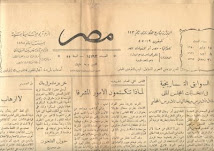
The Baha'i Faith in Egypt - Egyptian Magazine Last Hour 1950

نشرت هذه المقاله سنه 1950 فى جريده اخر ساعه تحت عنوان دين البهائيه يدعو للسلام وفيها ملخص عن التعاليم البهائيه


وتوجد بالمقاله ايضا صوره لمبنى المحفل البهائى فى القاهره
كاتب هذه المقاله هو الاستاذ احمد زين العابدين وفى خاتمه المقاله يقول هذه هى البهائيه دين جديد يدعو الى السلام ويقول البهائيون ان بهاء الله هو رسول الله فى الارض وان هناك علامات على ظهوره فى التوراه والانجيل والقران
لقد بلغ اتباع الدين البهائى خمسه ملايين شخص فى جميع انحاء العالم


This article was published in "Last Hour" an Egyptian magazine dated August 9, 1950 under the name "The Baha'i Faith call for Peace" there is a brief introduction about the Baha'i Faith, Picture of the Baha'i Center in Cairo, and a picture of Abdul Baha.
The writer name is Ahmed Zen Alabdin. he mentioned that "the Baha'i Faith is a new Religion preach for Peace. Bahá’u’lláh is the Founder of the Baha'i Faith. There are signs in all the previous Religions books about the Baha'i Faith. He mentioned also that the are five million Baha’is all over the world.

Saturday, February 14, 2009

Iranian professionals post public apology to Baha'is - February 6, 2009 - CNN

TEHRAN, Iran (CNN) -- A group of Iranian intellectuals released a public apology this week for what they say is a long history of the country's mistreatment of members of the Baha'i faith.

The apology -- titled, "We are ashamed" -- was published on the Web site Iranian.com and was signed by 42 Iranian professionals, all of whom do not live in Iran.
"As Iranian human beings, we are ashamed for what has been perpetrated upon the Baha'is in the last century and a half in Iran," the letter says.
In the letter, the group detailed incidents of violence and discrimination that it says the Iranian government has perpetrated against Baha'is.
The Islamic republic has been condemned by human-rights activists and governments across the globe for its treatment of members of the Baha'i faith.
The Baha'i movement has said that six of its followers were arrested in January in Tehran, including one who works with Nobel peace laureate Shirin Ebadi, the lawyer and activist. Seven leaders of the group arrested in 2008 also remain in jail.
Members of Baha'i -- who say they are targeted in the predominantly Shiite nation because of their faith -- have faced arrests and other oppression over the years.
They say the persecution is part of a pattern that began in 1979. That's when the monarchy of the Shah of Iran was toppled and an Islamic republic was created.
Baha'i -- regarded as the largest non-Muslim religious minority in Iran -- claims to have 5 million members across the globe and about 300,000 in Iran.
The European Parliament passed a resolution in January that criticized Iran's treatment of Baha'is. The U.S. State Department also criticized Iran's treatment of Baha'i followers in a report last year.
For more details visit: We are ashamed!

!يكفي قرن ونصف من الاضطهاد والسكوت

{هذه العريضة كتبتها مجموعة من الأكاديميين، والمؤلفين، والفنانين، والصحفيين، والناشطين الإيرانيين المقيمين في كل أرجاء العالم. كما وقَّع عليها العديد من أبرز المثقفين الإيرانيين}
--------------
!إننا نستحي
!يكفي قرن ونصف من الاضطهاد والسكوت

باسم الخير والجمال وباسم الإنسانية والحرية
إننا كإيرانيين نشعر بالخجل والحياء مما ارتكب بحق البهائيين منذ قرن ونصف من تاريخ إيران.
إننا نؤمن بأن كل إيراني يستحقّ كافة الحقوق والحريات المنصوص عليها في وثيقة "الإعلان العالمي لحقوق الإنسان"، بغضّ النظر عن العرق، واللون، والجنسية، واللغة، والدين، والعقائد السياسية، أو أية عقيدة أخرى، وبصرف النظر عن الجماعة الإثنية، والطبقة الاجتماعية، والثروة، والأصل أو أي وضعية أخرى. بيد أن منذ ظهور الدين البهائي حتى يومنا هذا، لقد يُحرم أتباع هذا الدين من حقوقهم الإنسانية لمجرّد عقائدهم الدينية.
منذ ظهور الدين البابي ومن ثَمَّ الدين البهائي في إيران، لقد قتل آلاف من مواطنينا بسيوف التعصب والخرافة لمجرّد عقائدهم الدينية وذلك طبقاً للوثائق التاريخية والشواهد المعتمدة. وفي مطلع العقود الأولى بعد تأسيس هذا الدين، قتل حوالي عشرين ألفاً من الذين اعتنقوه في مختلف مدن إيران.
إننا نستحي من أنه في هذه الفترة لم يسجّل أيُّ صوت يعترض على هذه الجرائم الوحشية.
إننا نستحي من أن الأصوات المعترضة على هذه الجرائم الشنيعة كانت ومازالت نادرة وصامتة.
إننا نستحي من أنه بالإضافة إلى القمع الشديد للبهائيين في العقود الأولى بعد تأسيس دينهم، فقد شهد مواطنونا هؤلاء في القرن الماضي حملات الاضطهاد الدورية عليهم، التي طَالَهُم من خلالها تحريق بيوتهم وأماكن عملهم وتهديمها، وواجهت حياتهم وأموالهم وعائلاتهم الظلم القاسي. وبالرغم من كل ذلك فقد ظل المثقفون والمفكرون الإيرانيون ساكتين أمام هذه الفاجعة.
إننا نستحي من أنه على طول السنوات الثلاثين الماضية، قُتل أكثر من مئتين بهائيٍ بناءً على قانون سُنَّ لقتل البهائيين بسبب عقائدهم الدينية.
إننا نستحي من أن جماعة من المثقفين برّرت الإكراه والضغط على المجتمع البهائي في إيران.
إننا نستحي من سكوتنا أمام حرمان البهائيين المتقاعدين من حقوقهم لمعاش التقاعد بعد عقود من الخدمة لأجل وطنهم.
إننا نستحي من سكوتنا أمام آلاف من الشباب الإيرانيين الذين حُرموا من إمكانية الدراسات العليا في الجامعات بسبب إيمانهم بدينهم وصدقهم في الاعتراف به.
إننا نستحي من سكوتنا أمام الأطفال البهائيين الذين واجهوا التحقير في المدارس بسبب عقائد آبائهم الدينية.
إننا نستحي من سكوتنا أمام هذا الواقع الأليم في بلدنا الذي فيه يُقمع البهائيون ويحقَّرون بشكل منظم. ويعتقل العديدُ منهم لمجرّد عقائدهم الدينية، ويُهجم على منازلهم وأماكن عملهم وتهدَّم، ويصل الأمر أحياناً إلى انتهاك حرمة مقابرهم أيضاً.
إننا نستحي من سكوتنا أمام هذا السجلّ الطويل الفظيع المحزن في تهميش البهائيين على يد نظامنا الشرعي ومن قبل قوانين حكومتنا. كما نستحي أمام الاضطهاد وانعدام العدالة للمنظمات الرسمية وغير الرسمية نحو هذا المجتمع من مواطنينا.
إننا نستحي من جرائمنا وجورنا وإنا نستحي من سكوتنا أمام أعمالنا.
نحن موقّعو هذه العريضة نستغفركم أيها البهائيون ولاسيّما ضحايا الجنايات من بهائيي إيران.
لن نسكت أبداً بعد اليوم أمام الظلم المرتكب بحقكم.
إننا واقفون جنباً إلى جنب معكم في التوصّل إلى حقوق الإنسان المنصوص عليها في وثيقة "الإعلان العالمي لحقوق الإنسان".
لنستبدلْ المحبة والوعي بالجهد والضغينة.

٣ شباط / فبراير ٢٠٠٩
:الموقّعون
١. ابراهیمی، ‌هادی – رئيس التحرير لجريدة شهرگان – کندا، ونکوور
٢. احمدی، رامین – أستاذ في الجامعة وناشط في حقوق الإنسان– أمریکا، یل
٣. الماسی، نسرین – مدیرة التحریر لجريدة شهروند - کندا – تورنتو
٤. باقرپور، خسرو – شاعر وصحفي – ألمانيا
٥. برادران، منیره – كاتبة وناشطة في حقوق الإنسان – ألمانيا
٦. برومند، رویا – مدیرة إجرائية، موسسة برومند – أمریکا، واشنطن
٧. برومند، لادن – باحثة، مؤسسة برومند- أمریکا، واشنطن
٨. بیضایی، نیلوفر –كاتبة ومخرجة مسرحية – ألمانيا، فرانکفورت
٩. پارسا، سهیل – مخرج مسرحي – کندا، تورنتو
١٠. تقی پور، معصومه – ممثلة ومحرجة مسرحية – السويد، كوته بورك
١١. تهوری، محمد – صحفي – أمریکا، ماساجوست
١٢. جاوید، جهانشاه – ناشر – إیرانیان دات کام – المكسيك
١٣. جلالی چیمه، محمد (م سحر) – شاعر – فرنسا، باریس
١٤. جنتی عطایی، بهی - ممثل وكاتب ومخرج مسرحي – فرنسا، باریس
١٥. چوبینه، بهرام – كاتب وباحث – ألمانيا، کلن
١٦. خرسندی، ‌هادی – هاجٍ– إنجلترا، لندن
١٧. دانشور، حمید – ممثل ومخرج مسرحي – فرنسا، باریس
١٨. درویش پور، مهرداد – أستاذ في الجامعة – السويد، استکهلم
١٩. زاهدی، میترا – مخرجة مسرحية– ألمانيا، برلین
٢٠. زرهی، حسن – رئيس التحرير لجريدة شهروند – کندا، تورنتو
٢١. سهیمی، محمد – أستاذ في الجامعة – أمریکا، كاليفورنيا
٢٢. شفیق، شهلا – كاتبة وباحثة– فرنسا، باریس
٢٣. شمیرانی، خسرو – صحفي – کندا، مونتريال
٢٤. شیدا، بهروز – ناقد وباحث أدبي - السويد، استکهلم
٢٥. عبدالعلیان، مرتضی – عضو هيئة إدارة سی.جی.اف.ای – کندا، اکویل
٢٦. عبقری، سیاوش – أستاذ في الجامعة – الولایات المتحدة، أتلانتا
٢٧. عبقری، شهلا – أستاذة في الجامعة – الولایات المتحدة، أتلانتا
٢٨. فانی یزدی، رضا – محلّل سياسي - أمریکا
٢٩. فرهودی، ویدا – شاعرة ومترجمة – فرنسا، باریس
٣٠. فروهر، پرستو – فنانة وناشطة في حقوق الإنسان – ألمانيا، فرانکفورت
٣١. قائمى، هادی – منسّق حملة دولية لحقوق الإنسان في إیران - أمریکا
٣٢. قهرمان، ساسان – كاتب وصحفي - کندا، تورنتو
٣٣. قهرمان، ساقی – شاعر وصحفي - کندا، تورنتو
٣٤. کاخساز، ناصر – باحث ومحلّل سياسي – ألمانيا، بوخوم
٣٥. کسرایی، فرهنگ – كاتب وممثل مسرحي – ألمانيا، ویسبادن
٣٦. کلباسی، شیما – شاعرة – أمریکا، واشنطن
٣٧. ماهباز، عفت – ناشطة في حقوق المرأة وصحفية – إنجلترا ، لندن
٣٨. مساعد، ژیلا – شاعرة وكاتبة – السويد، كوتبورك
٣٩. مشکین قلم، شاهرخ – ممثل وراقص – فرنسا، باریس
٤٠. مصلی نژاد، عزت – كاتب وناشط في حقوق الإنسان- الجمعية الكندية لضحايا التعذيب– کندا، تورنتو
٤١. ملکوتی، سیروس – عازف وملحّن ومدرّس الغيتار الکلاسیکي – إنجلترا ، لندن
٤٢. وحدتی، سهیلا – ناشطة في حقوق الإنسان – أمریکا، كاليفورنيا

Friday, May 16, 2008

CNN - Iran's arrest of Baha'is condemned

Iran's arrest of Baha'is condemned


CNN) -- Six Baha'i leaders in Iran were seized and imprisoned this week, the religious group said. The act prompted condemnation and concern from the movement and a top American religious freedom panel.

Iranian intelligence agents searched the homes of the six on Wednesday and then whisked them away, according to the Baha'i's World News Service. The report said the six are in Evin prison and that the arrests follow the detention in March of another Baha'i leader.
The Iranian Foreign Ministry could not immediately be reached for comment, and the incident has not been mentioned in Iran's state-run media.
"Their only crime is their practice of the Baha'i faith," said Bani Dugal, the principal representative of the Baha'i international community to the United Nations.
The group -- regarded as the largest non-Muslim religious minority in Iran -- says the arrests are reminiscent of roundups and killings of Baha'is that took place in Iran two decades ago.

"Especially disturbing is how this latest sweep recalls the wholesale arrest or abduction of the members of two national Iranian Baha'i governing councils in the early 1980s -- which led to the disappearance or execution of 17 individuals," Dugal said.
"The early morning raids on the homes of these prominent Baha'is were well-coordinated, and it is clear they represent a high-level effort to strike again at the Baha'is and to intimidate the Iranian Baha'i community at large," she added.
The United States Commission on International Religious Freedom -- a government panel that advises the president and Congress -- condemned the Wednesday arrests, as well as another in March. The commission chairman called the acts the "latest sign of the rapidly deteriorating status of religious freedom and other human rights in Iran."
The commission said the seven were members of an informal Baha'i group that tended to the needs of the community after the Iranian government banned all formal Baha'i activity in 1983.
The commission chairman, Michael Cromartie, echoed the fears that the "development signals a return to the darkest days of repression in Iran in the 1980s when Baha'is were routinely arrested, imprisoned, and executed."

The Baha'is are regarded as "apostates" in Iran and have been persecuted there for years.
"Since 1979, Iranian authorities have killed more than 200 Baha'i leaders, thousands have been arrested and imprisoned, and more than 10,000 have been dismissed from government and university jobs," the commission said.

The commission said that since President Mahmoud Ahmadinejad came to power a few years ago, Baha'is "have been harassed, physically attacked, arrested, and imprisoned."
"During the past year, young Baha'i schoolchildren in primary and secondary schools increasingly have been attacked, vilified, pressured to convert to Islam, and in some cases, expelled on account of their religion."

The commission said other groups in the predominantly Shiite Muslim country of Iran, such Sufis and Christians, are subject to intimidation and harassment. Ahmadinejad's inflammatory statements about Israel have "created a climate of fear" among the country's Jews.
The Baha'is say they have 5 million members across the globe, and about 300,000 in Iran.
The Baha'is say their faith "is the youngest of the world's independent religions" and that its basic theme is that "humanity is one single race and that the day has come for its unification in one global society."

They say their founder, Baha'u'llah (1817-1892), is regarded by Baha'is as "the most recent in the line of Messengers of God that stretches back beyond recorded time and that includes Abraham, Moses, Buddha, Krishna, Zoroaster, Christ and Muhammad."


إيران تعتقل ستة زعماء من الطائفة البهائية


16/05/08


(CNN)-- اعتقلت السلطات الإيرانية ستة زعماء بهائيين خلال هذا الأسبوع، وفق ما أعلن مسؤولون في الطائفة البهائية.
وأدت العملية إلى موجة انتقادات واسعة وقلقا لدى الحركة البهائية فضلا عن منظمة أمريكية تدافع عن الحريات الدينية.
ومشطت عناصر من الاستخبارات الإيرانية منازل الأشخاص الستة الأربعاء، ومن ثمّ أخذتهم معها، وفق خدمة أخبار العالم البهائي.
وأضاف التقرير الذي أذاعته الطائفة أنّ المعتقلين يتمّ التحفّظ عليهم في سجن إفين وأنّ الاعتقالات تعقب عملية مماثلة جرت في مارس/آذار تمّ خلالها إلقاء القبض على زعيم بهائي آخر.
وقالت باني دوغال، الممثلة الرئيسية لجماعة البهائيين الدولية في الأمم المتحدة إنّ "جريمتهم الوحيدة هي تطبيقهم للعقيدة البهائية."
وتقول الجماعة، التي ينظر إليها على أنّها أكبر أقلية دينية غير مسلمة في إيران، إنّ الاعتقالات تعيد إلى الأذهان حملة القمع التي استهدفت البهائيين طيلة عقدين.
ويقول البهائيون إنّ عددهم يبلغ خمسة ملايين على مستوى العالم منهم 300 ألف في إيران وحدها.
وقالت دوغال إنّ 17 شخصا من أعضاء مجلسين بهائيين شهدتهما إيران في بداية عقد الثمانينات من القرن الماضي، إما اختفوا أو قتلوا.
وأوضحت أنّ حملات الدهم التي جرت فجرا على منازل المعتقلين تعكس "جهدا على مستوى عال" لمهاجمة البهائيين مجددا.
وشجبت اللجنة الأمريكية للحريات الدينية الدولية الاعتقالات التي جرت الأربعاء.
وقال رئيس اللجنة إنّ الاعتقالات هي آخر إشارة على التدهور المتسارع لوضع الحريات الدينية وحقوق الإنسان في إيران.
وقال مايكل كرومارسي إنّ هناك مخاوف من كون "هذا التطوّر ينبئ بعودة أيام القمع السود في إيران في عقد الثمانينيات عندما كان البهائيون عرضة بكيفية متكررة للاعتقال والسجن والإعدام."
وتعتبر إيران البهائيين "مرتدين" ونظمت عدة حملات لاعتقالهم طيلة سنوات.
وقالت اللجنة إنّ السلطات الإيرانية قتلت منذ 1979 أكثر من 200 زعيما بهائيا واعتقلت الآلاف من أتباع الطائفة وطردت أكثر من 10 آلاف بهائي من وظائفهم.
وأضافت أنه منذ قدوم الرئيس محمود أحمدي نجاد إلى منصبه، تمّ "التحرّش بالبهائيين، حيث هوجموا بدنيا واعتقلوا وسجنوا."
وقالت إنّ جماعات دينية أخرى مثل الصوفيين والمسيحيين، يعانون من الاضطهاد والتحرش في إيران، في الوقت الذي أشاعت فيه تصريحات نجاد حول إسرائيل "أجواء الخوف" لدى اليهود الإيرانيين.
ويقول البهائيون إنّ عقيدتهم "هي أحدث الديانات المستقلة في العالم" وأنّ محورها الأساسي هو أنّ "الإنسانية هي عرق واحد جاء اليوم الذي ينبغي أن تتوحّد فيه داخل مجتمع كوني واحد."
كما يقولون إنّ مؤسس العقيدة بهاء الله(1817-1892) يعدّ، بالنسبة إليهم، "الأحدث في خطّ رسل الله...الذين جاؤوا على مرّ الزمن ومن ضمنهم إبراهيم وموسى وبوذا وكريشنا وزرادشت والمسيح ومحمد."

Tuesday, December 4, 2007

Egypt forcing converts from Islam and members of Bahai faith to conceal their religion - International Herald Tribune - November 12, 2007

CAIRO, Egypt: Egypt must change its policy of not allowing converts from Islam and members of the Bahai faith to register their religion in official documents, two human rights groups said Monday.

In a report two years in the making, the New York-based Human Rights Watch and the local Egyptian Initiative for Personal Rights, or EIPR, described how Egyptians of religious persuasions authorities disapprove of are unable to get birth certificates and identification cards.
Joe Stork, the HRW Middle East deputy chief, said it was a systematic policy to deny documents to members of faiths other than Islam, Christianity and Judaism — the only three religions officially recognized by Egyptian authorities.

ID cards are mandatory here, but persons seeking to have "Bahai" listed as their faith on the card, for example, are denied the document, Stork told reporters in Cairo.
The report quoted some 40 people the watchdog groups interviewed as saying they were told in applying for papers that they must list themselves as either Muslim or Christian, or risk not being able to obtain the document.

"We're talking about a government policy that is compelling and pressuring people to lie," said Stork.

The report, titled "Prohibited Identities: State Interference with Religious Freedom," also noted cases where fathers have converted to Islam and left their children and families, with authorities automatically registering his children as having converted to Islam as well, often without informing them of this.

Since 2004, the issue has come before the court several times in the predominantly Muslim Egypt. Coptic Christians are about 10 percent of Egypt's 76 million population and generally live in peace with the Sunni Muslim majority.

Next Sunday, the Supreme Administrative Court will deliver a final ruling on whether seven Egyptians who reconverted to Christianity after already having converted to Islam will be recognized as Christians.

Next month, a ruling is also expected on whether the government must recognize minority Bahais. The religion, Bahaism, emerged from Islam and regards a 19th century Persian nobleman, Baha'u'llah, as its prophet — a challenge to the Muslim belief that Muhammad is the last prophet.

Unofficial figures put the Bahai community at about 2,000 in Egypt. Bahai hotel manager Wafaa Hindy told reporters how she and her husband have no ID cards and now fear their son will be expelled from university since he also doesn't have the document. "We don't need the government to agree I am Bahai ... but I need the government to give me an identity card because I am Egyptian — this is totally different from my religion," Hindy said.
EIPR director Hossam Bahgat said the government policy has no basis in neither Egyptian nor Islamic law, or Sharia, as officials often claim. While converting from Islam is defined as apostasy by Islamic law, there is no corresponding legal punishment.

Allow Egyptian to List their Religion on ID Cards - Human Rights News November 12, 2007

End Discrimination, Harassment of Baha’is, Converts From Islam

(Cairo, November 12, 2007) – Egypt should allow all citizens to use their actual religious identity when required to list religion on government documents, Human Rights Watch and the Egyptian Initiative for Personal Rights (EIPR) said today.

The government’s discriminatory practice of restricting identity to three religions, directed at Baha’is and preventing converts from Islam from listing their true belief, violate many rights and cause immense hardship.

Interior Ministry officials apparently believe they have the right to choose someone’s religion when they don’t like the religion that person chooses. The government should end its arbitrary refusal to recognize some people’s religious beliefs. This policy strikes at the core of a person’s identity, and its practical consequences seriously harm their daily lives.

Joe Stork, deputy director of Human Rights Watch’s in Middle East and North Africa division
,” Human Rights Watch and the EIPR document how Ministry of Interior officials systematically prevent Baha’is and converts from Islam from registering their actual religious belief in national identity documents, birth certificates, and other essential papers. They do this based not on any Egyptian law, but on their interpretation of Islamic law, or Sharia. This denial can have far-reaching consequences for the daily lives of those affected, including choosing a spouse, educating one’s children, or conducting the most basic financial and other transactions. “Interior Ministry officials apparently believe they have the right to choose someone’s religion when they don’t like the religion that person chooses,” said Joe Stork, deputy director of Human Rights Watch’s Middle East and North Africa division. “The government should end its arbitrary refusal to recognize some people’s religious beliefs. This policy strikes at the core of a person’s identity, and its practical consequences seriously harm their daily lives.” All Egyptians, on reaching the age of 16, must obtain a national identification card. This document is essential to conducting transactions as basic as opening a bank account, getting a driver’s license, entering a university, getting a job, or collecting a pension. The Civil Status Department of the Interior Ministry administers these national ID cards as well as other vital records such as birth certificates, all of which require a person to state his or her religious identity. But ministry officials limit the choice to one of the three “revealed” religions – Islam, Christianity, or Judaism. No Egyptian law requires this, but the officials say they are acting on what they understand to be the requirements of Sharia, thus excluding members of Egypt’s Baha’i community. On similar grounds, these officials refuse to recognize the religious conversion of any Muslim to another religion on identity documents, although Egypt’s Civil Status Law permits persons to change or correct information in their identification documents, including religion, simply by registering the new information. Interior Ministry officials cite the Islamic law prohibition against any “repudiation” of the faith as apostasy to refuse such requests, even from Egyptians who were born Christian, converted to Islam, and want to convert back to Christianity. “Prohibited Identities” documents how the Egyptian government selectively uses Sharia to deny some citizens their right under Egyptian and international human rights law to exercise religious freedom without discrimination or penalty. Human Rights Watch and the EIPR interviewed more than 40 victims, lawyers, and religious and community leaders in preparing the report. In addition, the EIPR examined the files of 304 court cases filed by victims and their relatives, as well as higher court decisions and relevant laws. Human Rights Watch’s requests for a meeting with the head of the Interior Ministry’s Civil Status Department were turned down. Human Rights Watch then submitted questions to Interior Minister Habib al-Adli (reproduced as an appendix to the report) but both letters received no reply. “Our research clearly shows that there is no fixed Islamic law position on the administrative requirements for religious identification in the public records of a modern bureaucracy,” said Hossam Bahgat, director of the EIPR. “Officials should pursue an approach that upholds basic principles of justice and equality, instead of one that directly violates the rights of its citizens.” The problem has become particularly acute in recent years, after the Interior Ministry began issuing computer-generated documents carrying a unique “national number” (raqam qawmi). Officials say that in the near future, perhaps as soon as early 2008, even persons with valid paper IDs will have to acquire the new computer-generated documents, and that the only options for the religion line will be Islam, Christianity or Judaism. Many Egyptians interviewed for the report recounted how Interior Ministry officials tried to intimidate or bribe them into identifying themselves as Muslims against their express wishes. Human Rights Watch and the EIPR urged authorities to exonerate persons convicted for obtaining forged identity documents solely because the government refused to list their actual religion. “The Interior Ministry’s policy essentially says: ‘If you lie we’ll give you the documents you need, but if you tell the truth about your religion we’ll make your life miserable by withholding them’,” Stork said. “It is punishing people solely on the basis of their religious beliefs.” Some Egyptians have battled these abusive policies by filing complaints against officials before Egypt’s Court of Administrative Justice. Egypt’s Supreme Administrative Court is scheduled to issue a final ruling on November 17 regarding the right of Christian converts to Islam to re-convert back to Christianity. The court decision is expected to have a major impact on the legal treatment of other forms of religious conversion and on the overall situation of freedom of religion and belief in Egypt. The quasi-official National Council for Human Rights submitted a memorandum to the government in December 2006 recommending that the government remove religious affiliation from ID cards or reinstate the policy of entering “other” in the line reserved for religion. “Eliminating the religion line in IDs would send a positive signal of the state’s neutrality regarding the religious affiliation, if any, of citizens,” Bahgat said. “But the root of the problem is the government’s insistence on misidentifying these citizens in the central records. This is what the government needs to address urgently.”

Testimonies from ‘Prohibited Identities:’

“I tried to obtain the national ID card. In the application, I wrote that my religion was Baha’i. The officer refused to accept the application and asked me to present my birth certificate. I showed it to him. It stated that I was Baha’i and so were my parents. He still refused to accept the application and asked me to apply in Cairo. When I went to Cairo, I met an officer called Wa’il who opened a drawer in his desk and pulled out a big pile of documents and said, ‘You see, all these applications are from Baha’i who want IDs. You will never ever get them.’ ”
Nayer Nabil, Cairo

“My husband died in 2003. He worked for Al-‘Ameriyya Oil Company. To pick up my pension from the bank or the post office, I need an ID card. I’m supposed to get 70 percent of my husband’s salary, but I’ve gotten nothing since he died. I have to rely on my kids to help me because I have no other income. Everyone should be free. The state should not be responsible for anyone’s religion.”
Qudsiyya Hussein Ruhi, Alexandria

“Without national ID cards issued to Baha’is, suddenly, voila, there are no Baha’is in Egypt.” Labib Hanna Iskandar, Cairo


مصر: يجب السماح للمواطنين بتسجيل دياناتهم الحقيقية في بطاقات تحقيق الشخصية
على الحكومة إنهاء التمييز والمضايقات بحق البهائيين والمتحولين عن الإسلام
يبدو أن مسؤولي وزارة الداخلية يعتقدون أن من حقهم اختيار ديانة المواطن حين لا تعجبهم الديانة التي يختارها، على الحكومة إنهاء رفضها
التعسفي للاعتراف بالمعتقدات الدينية للأشخاص. فهذه السياسة تضرب هوية الشخص في مقتل، وتبعاتها العملية تلحق أبلغ الضرر بحياة الأشخاص اليومية.
جو ستورك، نائب مدير قسم الشرق الأوسط وشمال أفريقيا

نسخة للطباعة نسخة للتحميل PDF
-->
متوفر أيضا

(القاهرة، 12 نوفمبر/تشرين الثاني 2007) – قالت هيومن رايتس ووتش والمبادرة المصرية للحقوق الشخصية اليوم إن على مصر السماح لكل المواطنين بتسجيل دياناتهم الفعلية عند إلزامهم بذكر الديانة في الوثائق الرسمية. وأضافت المنظمتان أن الممارسات التمييزية للحكومة ـ والمتمثلة في عدم السماح سوى بتسجيل إحدى ثلاث ديانات وفي حرمان المتحولين عن الإسلام من إثبات ديانتهم الحقيقية ـ تنتهك طائفة كبيرة من الحقوق وتتسبب في قدر هائل من المعاناة.وفي تقرير من 98 صفحة يحمل عنوان "هويات ممنوعة: انتهاك الدولة لحرية المعتقد"، قامت هيومن رايتس ووتش والمبادرة المصرية للحقوق الشخصية بتوثيق امتناع مسؤولي وزارة الداخلية بشكل منهجي عن السماح للبهائيين والمتحولين عن الإسلام بتسجيل معتقدهم الديني الحقيقي في بطاقات تحقيق الشخصية وشهادات الميلاد وغيرها من الوثائق الضرورية. ولا يستند المسؤولون في هذه السياسية إلى أي قانون مصري، وإنما إلى تفسيرهم للشريعة الإسلامية. وتمتد آثار هذه السياسة إلى نواحي عديدة من الحياة اليومية للأشخاص المتأثرين بها، بما في ذلك اختيار الزوج أو الزوجة، وتعليم الأطفال، بل وحتى إجراء أبسط التعاملات المالية وغيرها من التعاملات. وقال جو ستورك، نائب مدير قسم الشرق الأوسط وشمال أفريقيا في هيومن رايتس ووتش: "يبدو أن مسؤولي وزارة الداخلية يعتقدون أن من حقهم اختيار ديانة المواطن حين لا تعجبهم الديانة التي يختارها"، وتابع قائلاً "على الحكومة إنهاء رفضها التعسفي للاعتراف بالمعتقدات الدينية للأشخاص. فهذه السياسة تضرب هوية الشخص في مقتل، وتبعاتها العملية تلحق أبلغ الضرر بحياة الأشخاص اليومية". ويلزم القانون جميع المصريين لدى بلوغ سن 16 عاماً استخراج بطاقة تحقيق الشخصية. وهذه الوثيقة شديدة الأهمية لإجراء كافة التعاملات الأساسية كفتح حساب بنكي واستخراج رخصة قيادة ودخول الجامعة والالتحاق بوظيفة وتحصيل المعاش. وتختص مصلحة الأحوال المدنية بوزارة الداخلية بإصدار هذه البطاقات بالإضافة لوثائق أخرى مثل شهادات الميلاد، وكلها مطلوب فيها ذكر الديانة. لكن مسؤولي الوزارة لا يسمحون سوى باختيار واحدة من الديانات "السماوية"، وهي الإسلام أو المسيحية أو اليهودية. ولا ينص أي قانون مصري على هذا القيد، لكن المسؤولين يقولون إنهم يتصرفون بناء على فهمهم لمتطلبات الشريعة الإسلامية، مما يؤدي إلى حرمان المصريين البهائيين من هذه الوثائق الضرورية. وبالمثل، يرفض هؤلاء المسؤولون الاعتراف بتحول أي مسلم عن دينه إلى ديانة أخرى في وثائق إثبات الشخصية، على الرغم من سماح قانون الأحوال المدنية المصري بتغيير أو تصحيح المعلومات في الوثائق الرسمية، بما في ذلك تغيير الديانة، وذلك بمجرد تسجيل المعلومات الجديدة في الوثائق. ويتذرع مسؤولو وزارة الداخلية بحظر الشريعة الإسلامية لأي "ارتداد" عن الدين باعتبار هذا حجة لرفض طلبات تغيير الديانة، حتى بالنسبة للمصريين الذين يولدون مسيحيين ثم يتحولون للإسلام وبعدها يرغبون في العودة إلى المسيحية. ويوثق تقرير "هويات ممنوعة" الأسلوب الانتقائي الذي تنتهجه الحكومة المصرية في استخدام الشريعة من أجل تبرير حرمان بعض المواطنين من حقوقهم التي يكفلها لهم القانون المصري وقانون حقوق الإنسان الدولي بشأن حرية الاعتقاد الديني دونما تفرقة أو عقوبة. وقد أجرت هيومن رايتس ووتش والمبادرة المصرية للحقوق الشخصية أكثر من 40 مقابلة مع الضحايا والمحامين والقيادات الدينية والمجتمعية أثناء التحضير لهذا التقرير. فضلاً عن دراسة المبادرة المصرية للحقوق الشخصية لملفات 304 دعوى قضائية أقامها الضحايا وذووهم، وكذلك قرارات المحاكم العليا والقوانين ذات الصلة بالموضوع. وكانت هيومن رايتس ووتش قد طلبت عقد اجتماع مع رئيس مصلحة الأحوال المدنية بوزارة الداخلية وتم رفض الطلب. ثم قدمت هيومن رايتس ووتش أسئلة إلى وزير الداخلية حبيب العادلي (ملحقة بالتقرير) لكن لم يتم الرد على أي من الرسالتين. وقال حسام بهجت مدير المبادرة المصرية للحقوق الشخصية: "إن أبحاثنا تثبت بوضوح أنه لا يوجد حكم قطعي وثابت للشريعة الإسلامية إزاء المتطلبات الإدارية الخاصة بذكر الديانة في الوثائق الرسمية للدولة الحديثة". وأضاف: "وعلى المسؤولين انتهاج سياسة تصون المبادئ الأساسية للعدالة والمساواة، بدلاً من منهج ينتهك حقوق المواطنين بشكل مباشر". وقد تفاقمت حدة المشكلة في السنوات الأخيرة على الأخص بعد بدء وزارة الداخلية الاستعانة بالحاسب الآلي في إصدار وثائق "الرقم القومي". ويقول المسؤولون إنه في المستقبل القريب – ربما في أوائل عام 2008 – سيتوجب على جميع الأشخاص الذين يحملون بطاقات سارية استبدالها بالوثائق الصادرة عبر الحاسب الآلي، وأنه لا يوجد خيارات أخرى يمكن كتابتها في خانة الديانة غير الإسلام أو المسيحية أو اليهودية. وروى الكثير من المصريين تمت مقابلتهم أثناء إعداد التقرير كيف حاول مسؤولو وزارة الداخلية تهديدهم أو رشوتهم لكي يختاروا الإسلام كديانة ضد رغباتهم المعلنة. وقد دعت هيومن رايتس ووتش والمبادرة المصرية للحقوق الشخصية السلطات لإسقاط التهم عن الأشخاص الذين اضطروا إلى تزوير وثائق إثبات الشخصية الخاصة بهم فقط لأن الحكومة رفضت أن تعترف بديانتهم الحقيقية. وقال جو ستورك: "سياسة وزارة الداخلية الآن هي: إذا كذبت سنعطيك الوثائق التي تحتاجها، لكن إذا قلت الحقيقة بشأن ديانتك فسوف نجعل حياتك تعيسة لأننا سنمنعها عنك". وأضاف: "إن هذا يعد عقاباً للأشخاص فقط على أساس معتقداتهم الدينية". وقد قاوم بعض المصريين هذه السياسات المسيئة عبر إقامة دعاوى ضد المسؤولين أمام المحاكم الإدارية المصرية. ومن المقرر أن تصدر المحكمة الإدارية العليا في مصر قراراً نهائياً في 17 نوفمبر/تشرين الثاني الجاري حول حق المسيحيين المتحولين إلى الإسلام في العودة إلى المسيحية. ويتوقع أن يكون لقرار المحكمة تأثير بالغ على الوضع القانوني لأنماط أخرى من تغيير الديانة، بل وعلى أوضاع حرية الدين والمعتقد في مصر بشكل عام. وكان المجلس القومي لحقوق الإنسان، المنشأ من قبل الحكومة، قد رفع مذكرة إلى الحكومة في ديسمبر/كانون الأول 2006 أوصي فيها الحكومة بحذف خانة الانتماء الديني من بطاقات الرقم القومي أو العودة لسياسة كتابة كلمة "أخرى" في خانة الديانة لمن يرغب. وقال حسام بهجت: "إن حذف خانة الديانة من بطاقات الرقم القومي بمثابة رسالة قوية عن حياد الدولة إزاء الانتماء الديني للمواطنين، لكن أساس المشكلة هو إصرار الحكومة على تسجيل ديانة غير حقيقية للمواطنين في سجلاتها المركزية. وهذا هو ما يجب على الحكومة أن تقوم بمعالجته دون إبطاء".
شهادات من "هويات ممنوعة
حاولت استخراج بطاقة الرقم القومي. في استمارة الطلب كتبت بهائي أمام خانة الديانة. رفض الموظف استلام الاستمارة وطلب مني أن
أقدم شهادة ميلادي. أبرزت له الشهادة التي تثبت أنني بهائي مولود لأبوين بهائيين. رغم ذلك رفض الموظف قبول الاستمارة وطلب مني أن أقدمها إلى المكتب الرئيسي في القاهرة. عندما ذهبت إلى القاهرة قابلت ضابطاً يدعى وائل، فتح درج مكتبه وأخرج كومة كبيرة من المستندات والأوراق وقال، "انظر، كل هذه استمارات من بهائيين يرغبون في استخراج بطاقات رقم قومي. لن تحصلوا عليها أبداً".
نير نبيل، القاهرة
توفي زوجي سنة 2003. كان يعمل لدى شركة العامرية للبترول. والآن أحتاج إلى بطاقة تحقيق شخصية من أجل تحصيل معاش زوجي
من البنك أو من مكتب البريد. من المفترض أن أحصل على 70 في المائة من راتب زوجي، ولكنني لم أحصل على أي شيء منذ وفاته.اضطر الآن إلى الاعتماد على أبنائي لإعالتي لأنني ليس لدي أي مورد رزق آخر. كل إنسان حر. لا يجب أن تكون الدولة مسؤولة عن تحديد ديانة أي إنسان.
قدسية حسين روحي، الإسكندرية
بدون بطاقات تحقيق شخصية للبهائيين [يمكن للحكومة يوماً ما أن تقول]: أرأيتم؟ ليس لدينا بهائيون في مصر.
لبيب إسكندر، القاهرة